Ethiopia has a rich history, both culturally and politically. The country is known for its ancient traditions, diverse ethnic groups, and unique form of governance. In recent years, the focus has been on Ethiopia's evolving democracy and electoral process.
Category : Ethiopian Democracy and Elections | Sub Category : Ethiopian Political System A Comprehensive Overview Posted on 2025-02-02 21:24:53
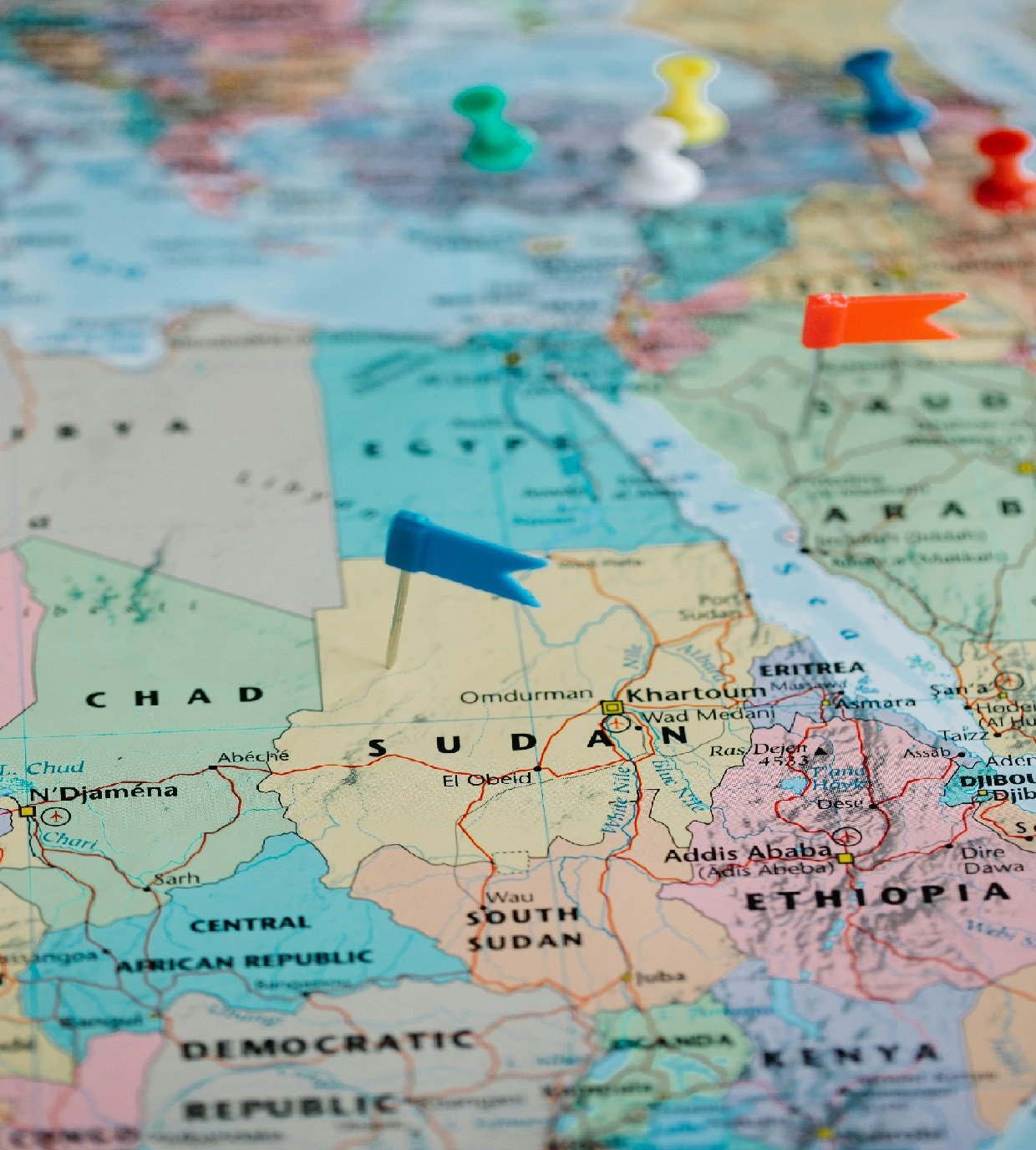
Ethiopia has a rich history, both culturally and politically. The country is known for its ancient traditions, diverse ethnic groups, and unique form of governance. In recent years, the focus has been on Ethiopia's evolving democracy and electoral process.
The Ethiopian political system is based on a federal parliamentary republic, where the Prime Minister is the head of government and the President is the head of state. The country is divided into nine regional states and two city administrations, each with its own government structure.
Ethiopia's democracy has been marked by a mix of progress and challenges. While the country has made strides in terms of political reforms and opening up the political space, there have been concerns about the level of democracy and transparency, particularly during elections.
Elections in Ethiopia are held every five years, with the most recent one taking place in 2021. The electoral process has been a point of contention, with opposition parties raising issues of voter intimidation, lack of free and fair campaigning opportunities, and restrictions on media freedom.
Despite these challenges, Ethiopia's democracy continues to evolve. The government has made efforts to address some of the issues raised during the electoral process, such as increasing access to information and improving the independence of the electoral commission.
Moving forward, it is crucial for Ethiopia to strengthen its democratic institutions, promote political dialogue and inclusivity, and ensure that elections are free, fair, and transparent. By addressing these challenges, Ethiopia can continue on its path towards a more robust and vibrant democracy that truly reflects the will of its diverse population.
Leave a Comment:
SEARCH
Recent News
- Zurich, Switzerland is a vibrant city known for its rich cultural scene and diverse music offerings. One unique aspect of Zurich's music scene is the presence of Sudanese music, which has found a home in the city's melting pot of cultures.
- Zurich, Switzerland is a vibrant city known for its picturesque landscapes, rich history, and diverse cultural scene. One fascinating aspect of Zurich's cultural tapestry is the influence of Sudanese culture in the city.
- Zurich, Switzerland is known for its multicultural atmosphere and diverse culinary scene. One of the lesser-known gems of Zurich's food scene is Sudanese cuisine. Sudanese cuisine is a reflection of the country's diverse cultural influences, blending Arabic, African, and Mediterranean flavors to create a unique and delicious culinary experience.
- Zurich, Switzerland, is a vibrant city known for its scenic beauty, rich history, and thriving business environment. One interesting aspect of Zurich's business landscape is the presence of Sudanese entrepreneurs who have made their mark in various industries in the city.
- Visiting Zurich, Switzerland, can be an enriching experience for music lovers from all corners of the world. While the city may not be the first place that comes to mind when thinking about South African music, Zurich's diverse music scene offers a glimpse into the vibrant sounds of this African nation.
- Zurich, Switzerland is a city known for its vibrant culture, stunning landscapes, and welcoming atmosphere. Over the years, Zurich has become a melting pot of diversity, attracting people from all corners of the world. One noticeable community that has found its home in Zurich is the Ethiopian population.
- Zurich, Switzerland is not only known for its picturesque landscapes and thriving economy, but also for its vibrant and growing Ethiopian diaspora community. The Ethiopian diaspora in Zurich is one of the largest in Switzerland, with a significant number of Ethiopians calling the city their home.
- Zurich, Switzerland: A Culinary Journey into Ethiopian Cuisine
READ MORE
11 months ago Category :

Zurich, Switzerland is a vibrant city known for its rich cultural scene and diverse music offerings. One unique aspect of Zurich's music scene is the presence of Sudanese music, which has found a home in the city's melting pot of cultures.
Read More →11 months ago Category :

Zurich, Switzerland is a vibrant city known for its picturesque landscapes, rich history, and diverse cultural scene. One fascinating aspect of Zurich's cultural tapestry is the influence of Sudanese culture in the city.
Read More →11 months ago Category :

Zurich, Switzerland is known for its multicultural atmosphere and diverse culinary scene. One of the lesser-known gems of Zurich's food scene is Sudanese cuisine. Sudanese cuisine is a reflection of the country's diverse cultural influences, blending Arabic, African, and Mediterranean flavors to create a unique and delicious culinary experience.
Read More →11 months ago Category :
