Ethiopia, a country known for its rich cultural heritage and stunning landscapes, is facing a pressing issue that is threatening its environment and people: climate change. The impact of climate change is being felt across the country, with rising temperatures, unpredictable rainfall patterns, and more frequent droughts and floods becoming a common occurrence.
Category : Ethiopian Environmental Issues | Sub Category : Climate Change and Its Impact on Ethiopia Posted on 2025-02-02 21:24:53
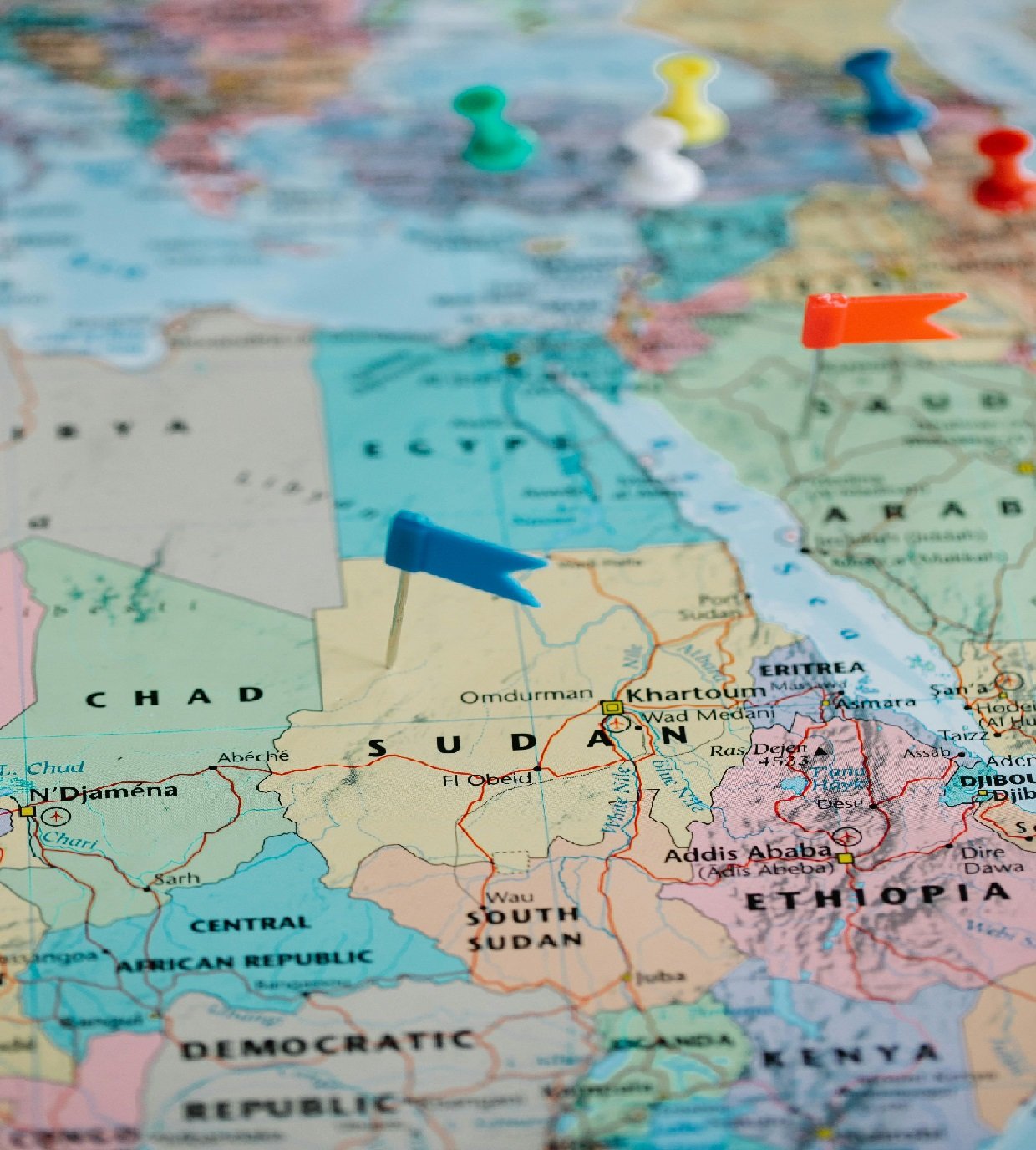
Ethiopia, a country known for its rich cultural heritage and stunning landscapes, is facing a pressing issue that is threatening its environment and people: climate change. The impact of climate change is being felt across the country, with rising temperatures, unpredictable rainfall patterns, and more frequent droughts and floods becoming a common occurrence.
One of the most significant impacts of climate change in Ethiopia is the disruption of the country's agriculture sector, which relies heavily on rain-fed farming. Erratic rainfall patterns and prolonged droughts have led to crop failures, food insecurity, and loss of livelihoods for many rural communities. The increasing frequency of extreme weather events such as floods and landslides also poses a threat to infrastructure, homes, and lives.
Rising temperatures and changing rainfall patterns are affecting water availability in Ethiopia, exacerbating water scarcity issues in a country where access to clean water is already limited. This has serious implications for agriculture, sanitation, and public health, as well as for the country's hydropower generation potential. Additionally, the changing climate is leading to the loss of biodiversity and habitat degradation, putting pressure on Ethiopia's unique ecosystems and wildlife.
In response to these challenges, the Ethiopian government has been taking steps to mitigate and adapt to the impacts of climate change. The Climate-Resilient Green Economy (CRGE) strategy, launched in 2011, aims to promote sustainable development while reducing greenhouse gas emissions and enhancing resilience to climate change. The government is also investing in renewable energy projects, reforestation efforts, and climate-smart agricultural practices to build resilience and reduce the country's vulnerability to climate change.
Despite these efforts, much more needs to be done to address the complex challenges posed by climate change in Ethiopia. International cooperation, support, and funding are crucial to help Ethiopia build adaptive capacity, improve disaster risk management, and transition to a low-carbon economy. By working together and taking decisive action, we can help Ethiopia navigate the impacts of climate change and build a more sustainable future for generations to come.
Leave a Comment:
SEARCH
Recent News
- Zurich, Switzerland is a vibrant city known for its rich cultural scene and diverse music offerings. One unique aspect of Zurich's music scene is the presence of Sudanese music, which has found a home in the city's melting pot of cultures.
- Zurich, Switzerland is a vibrant city known for its picturesque landscapes, rich history, and diverse cultural scene. One fascinating aspect of Zurich's cultural tapestry is the influence of Sudanese culture in the city.
- Zurich, Switzerland is known for its multicultural atmosphere and diverse culinary scene. One of the lesser-known gems of Zurich's food scene is Sudanese cuisine. Sudanese cuisine is a reflection of the country's diverse cultural influences, blending Arabic, African, and Mediterranean flavors to create a unique and delicious culinary experience.
- Zurich, Switzerland, is a vibrant city known for its scenic beauty, rich history, and thriving business environment. One interesting aspect of Zurich's business landscape is the presence of Sudanese entrepreneurs who have made their mark in various industries in the city.
- Visiting Zurich, Switzerland, can be an enriching experience for music lovers from all corners of the world. While the city may not be the first place that comes to mind when thinking about South African music, Zurich's diverse music scene offers a glimpse into the vibrant sounds of this African nation.
- Zurich, Switzerland is a city known for its vibrant culture, stunning landscapes, and welcoming atmosphere. Over the years, Zurich has become a melting pot of diversity, attracting people from all corners of the world. One noticeable community that has found its home in Zurich is the Ethiopian population.
- Zurich, Switzerland is not only known for its picturesque landscapes and thriving economy, but also for its vibrant and growing Ethiopian diaspora community. The Ethiopian diaspora in Zurich is one of the largest in Switzerland, with a significant number of Ethiopians calling the city their home.
- Zurich, Switzerland: A Culinary Journey into Ethiopian Cuisine
READ MORE
11 months ago Category :

Zurich, Switzerland is a vibrant city known for its rich cultural scene and diverse music offerings. One unique aspect of Zurich's music scene is the presence of Sudanese music, which has found a home in the city's melting pot of cultures.
Read More →11 months ago Category :

Zurich, Switzerland is a vibrant city known for its picturesque landscapes, rich history, and diverse cultural scene. One fascinating aspect of Zurich's cultural tapestry is the influence of Sudanese culture in the city.
Read More →11 months ago Category :

Zurich, Switzerland is known for its multicultural atmosphere and diverse culinary scene. One of the lesser-known gems of Zurich's food scene is Sudanese cuisine. Sudanese cuisine is a reflection of the country's diverse cultural influences, blending Arabic, African, and Mediterranean flavors to create a unique and delicious culinary experience.
Read More →11 months ago Category :
