Ethiopia is a country with a rich cultural heritage and breathtaking natural landscapes. However, like many countries around the world, it faces several environmental challenges that threaten its ecosystems and wildlife. In recent years, the Ethiopian government has been working to address these issues through the implementation of environmental policies and sustainable development initiatives.
Category : Ethiopian Environmental Issues | Sub Category : Ethiopian Environmental Policies and Sustainable Development Posted on 2025-02-02 21:24:53
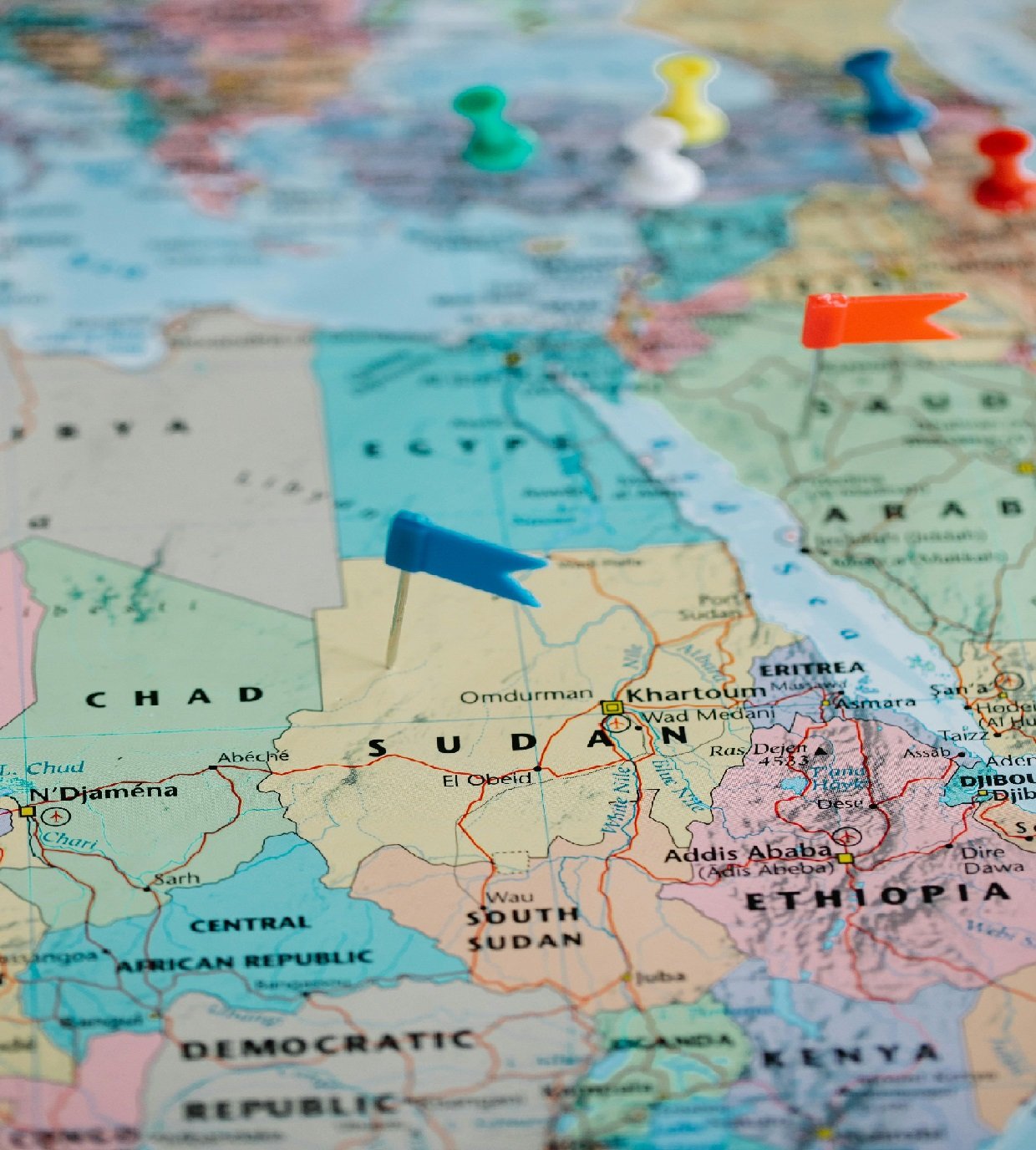
Ethiopia is a country with a rich cultural heritage and breathtaking natural landscapes. However, like many countries around the world, it faces several environmental challenges that threaten its ecosystems and wildlife. In recent years, the Ethiopian government has been working to address these issues through the implementation of environmental policies and sustainable development initiatives.
One of the key environmental issues facing Ethiopia is deforestation. The country has lost a significant portion of its forest cover over the years due to factors such as population growth, agricultural expansion, and illegal logging. Deforestation not only leads to the loss of biodiversity and habitat destruction but also contributes to climate change through the release of carbon dioxide into the atmosphere.
To combat deforestation and promote sustainable land management, Ethiopia has implemented various policies and programs. One such initiative is the Sustainable Land Management Program, which aims to restore degraded lands, improve soil fertility, and enhance the resilience of local communities to climate change impacts. Additionally, the government has set ambitious targets to increase forest cover through reforestation and afforestation efforts.
Water scarcity is another pressing environmental issue in Ethiopia, exacerbated by factors such as population growth, unsustainable agricultural practices, and climate change. The country's water resources are under increasing pressure, leading to conflicts over water usage and competition for limited supplies. To address this issue, the Ethiopian government has developed the Water Sector Development Program, which focuses on improving water infrastructure, enhancing water use efficiency, and promoting integrated water resource management.
In addition to these specific challenges, Ethiopia is also vulnerable to climate change impacts such as droughts, floods, and food insecurity. The country is highly reliant on rain-fed agriculture, making it particularly susceptible to changing weather patterns. To build resilience to climate change and promote sustainable development, Ethiopia has adopted the Climate-Resilient Green Economy strategy, which seeks to integrate climate change considerations into all sectors of the economy.
Overall, Ethiopia is making significant strides in addressing its environmental issues through the implementation of robust policies and initiatives. By promoting sustainable land management, enhancing water resources management, and building resilience to climate change, the country is working towards a more sustainable future for its people and environment.
Leave a Comment:
SEARCH
Recent News
- Zurich, Switzerland is a vibrant city known for its rich cultural scene and diverse music offerings. One unique aspect of Zurich's music scene is the presence of Sudanese music, which has found a home in the city's melting pot of cultures.
- Zurich, Switzerland is a vibrant city known for its picturesque landscapes, rich history, and diverse cultural scene. One fascinating aspect of Zurich's cultural tapestry is the influence of Sudanese culture in the city.
- Zurich, Switzerland is known for its multicultural atmosphere and diverse culinary scene. One of the lesser-known gems of Zurich's food scene is Sudanese cuisine. Sudanese cuisine is a reflection of the country's diverse cultural influences, blending Arabic, African, and Mediterranean flavors to create a unique and delicious culinary experience.
- Zurich, Switzerland, is a vibrant city known for its scenic beauty, rich history, and thriving business environment. One interesting aspect of Zurich's business landscape is the presence of Sudanese entrepreneurs who have made their mark in various industries in the city.
- Visiting Zurich, Switzerland, can be an enriching experience for music lovers from all corners of the world. While the city may not be the first place that comes to mind when thinking about South African music, Zurich's diverse music scene offers a glimpse into the vibrant sounds of this African nation.
- Zurich, Switzerland is a city known for its vibrant culture, stunning landscapes, and welcoming atmosphere. Over the years, Zurich has become a melting pot of diversity, attracting people from all corners of the world. One noticeable community that has found its home in Zurich is the Ethiopian population.
- Zurich, Switzerland is not only known for its picturesque landscapes and thriving economy, but also for its vibrant and growing Ethiopian diaspora community. The Ethiopian diaspora in Zurich is one of the largest in Switzerland, with a significant number of Ethiopians calling the city their home.
- Zurich, Switzerland: A Culinary Journey into Ethiopian Cuisine
READ MORE
11 months ago Category :

Zurich, Switzerland is a vibrant city known for its rich cultural scene and diverse music offerings. One unique aspect of Zurich's music scene is the presence of Sudanese music, which has found a home in the city's melting pot of cultures.
Read More →11 months ago Category :

Zurich, Switzerland is a vibrant city known for its picturesque landscapes, rich history, and diverse cultural scene. One fascinating aspect of Zurich's cultural tapestry is the influence of Sudanese culture in the city.
Read More →11 months ago Category :

Zurich, Switzerland is known for its multicultural atmosphere and diverse culinary scene. One of the lesser-known gems of Zurich's food scene is Sudanese cuisine. Sudanese cuisine is a reflection of the country's diverse cultural influences, blending Arabic, African, and Mediterranean flavors to create a unique and delicious culinary experience.
Read More →11 months ago Category :
