Ethiopian Modern Architecture: Sustainable Building Practices in Modern Ethiopian Architecture
Category : Ethiopian Modern Architecture | Sub Category : Sustainable Building Practices in Modern Ethiopian Architecture Posted on 2025-02-02 21:24:53
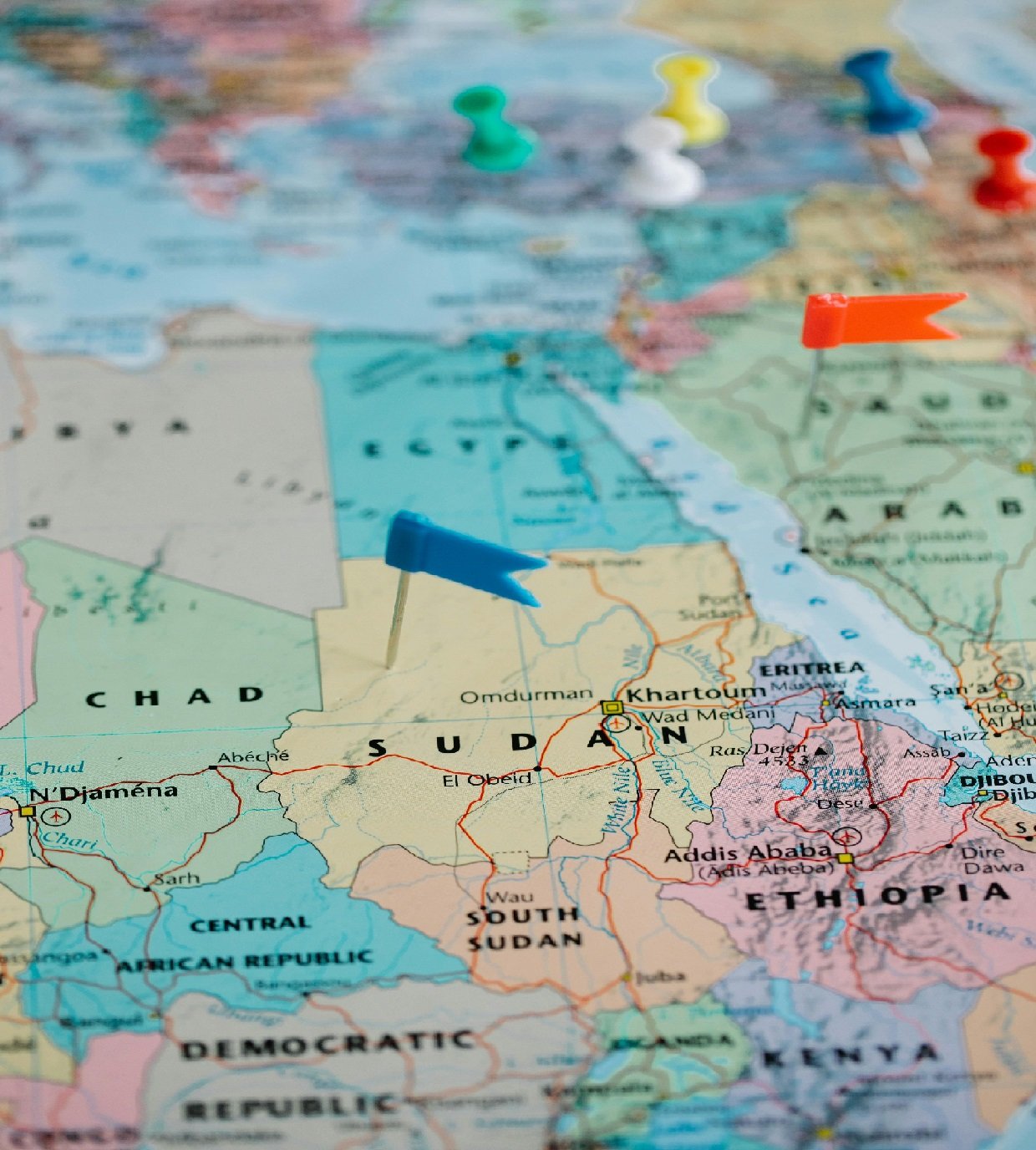
Ethiopian Modern Architecture: Sustainable Building Practices in Modern Ethiopian Architecture
Ethiopia is a country known for its rich history, diverse culture, and stunning natural landscapes. In recent years, there has been a growing emphasis on sustainable building practices in modern Ethiopian architecture. With a focus on environmentally friendly design and innovative construction techniques, Ethiopian architects are leading the way in creating buildings that are not only visually striking but also sustainable for future generations.
One of the key aspects of sustainable building practices in modern Ethiopian architecture is the use of local materials. By utilizing materials that are readily available in the region, architects are able to reduce the carbon footprint of their projects and support local communities. Materials such as stone, mud brick, and thatch are commonly used in Ethiopian architecture, not only for their sustainability but also for their aesthetic appeal.
Another important factor in sustainable building practices is the design of buildings to maximize natural light and ventilation. By incorporating large windows, skylights, and open-air courtyards, architects are able to reduce the need for artificial lighting and air conditioning, leading to lower energy consumption and operating costs. Passive design strategies, such as orienting buildings to take advantage of prevailing winds and shading devices to minimize heat gain, are also commonly used in modern Ethiopian architecture.
Water conservation is another key consideration in sustainable building practices in Ethiopia. With the country's limited water resources, architects are turning to innovative solutions such as rainwater harvesting, greywater recycling, and low-flow fixtures to reduce water consumption in buildings. By implementing these water-saving technologies, architects are not only reducing the environmental impact of their projects but also helping to mitigate the effects of water scarcity in the region.
Overall, sustainable building practices in modern Ethiopian architecture are not only benefiting the environment but also contributing to the creation of healthier and more livable spaces for the people of Ethiopia. By embracing local materials, maximizing natural light and ventilation, and conserving water resources, Ethiopian architects are setting a positive example for sustainable design practices around the world. With a continued focus on sustainability, the future of Ethiopian architecture looks bright and promising.
In conclusion, Ethiopian modern architecture is embracing sustainable building practices to create environmentally friendly and visually striking buildings that reflect the rich heritage and culture of the country. By prioritizing sustainability in their designs, Ethiopian architects are not only shaping the future of their built environment but also inspiring others to follow their lead in creating a more sustainable world.
Leave a Comment:
SEARCH
Recent News
- Zurich, Switzerland is a vibrant city known for its rich cultural scene and diverse music offerings. One unique aspect of Zurich's music scene is the presence of Sudanese music, which has found a home in the city's melting pot of cultures.
- Zurich, Switzerland is a vibrant city known for its picturesque landscapes, rich history, and diverse cultural scene. One fascinating aspect of Zurich's cultural tapestry is the influence of Sudanese culture in the city.
- Zurich, Switzerland is known for its multicultural atmosphere and diverse culinary scene. One of the lesser-known gems of Zurich's food scene is Sudanese cuisine. Sudanese cuisine is a reflection of the country's diverse cultural influences, blending Arabic, African, and Mediterranean flavors to create a unique and delicious culinary experience.
- Zurich, Switzerland, is a vibrant city known for its scenic beauty, rich history, and thriving business environment. One interesting aspect of Zurich's business landscape is the presence of Sudanese entrepreneurs who have made their mark in various industries in the city.
- Visiting Zurich, Switzerland, can be an enriching experience for music lovers from all corners of the world. While the city may not be the first place that comes to mind when thinking about South African music, Zurich's diverse music scene offers a glimpse into the vibrant sounds of this African nation.
- Zurich, Switzerland is a city known for its vibrant culture, stunning landscapes, and welcoming atmosphere. Over the years, Zurich has become a melting pot of diversity, attracting people from all corners of the world. One noticeable community that has found its home in Zurich is the Ethiopian population.
- Zurich, Switzerland is not only known for its picturesque landscapes and thriving economy, but also for its vibrant and growing Ethiopian diaspora community. The Ethiopian diaspora in Zurich is one of the largest in Switzerland, with a significant number of Ethiopians calling the city their home.
- Zurich, Switzerland: A Culinary Journey into Ethiopian Cuisine
READ MORE
11 months ago Category :

Zurich, Switzerland is a vibrant city known for its rich cultural scene and diverse music offerings. One unique aspect of Zurich's music scene is the presence of Sudanese music, which has found a home in the city's melting pot of cultures.
Read More →11 months ago Category :

Zurich, Switzerland is a vibrant city known for its picturesque landscapes, rich history, and diverse cultural scene. One fascinating aspect of Zurich's cultural tapestry is the influence of Sudanese culture in the city.
Read More →11 months ago Category :

Zurich, Switzerland is known for its multicultural atmosphere and diverse culinary scene. One of the lesser-known gems of Zurich's food scene is Sudanese cuisine. Sudanese cuisine is a reflection of the country's diverse cultural influences, blending Arabic, African, and Mediterranean flavors to create a unique and delicious culinary experience.
Read More →11 months ago Category :
