Ethiopia is blessed with a rich and diverse ecosystem, home to a wide variety of plant and animal species. The country's national parks and wildlife reserves play a crucial role in protecting this biodiversity and ensuring the conservation of these natural treasures.
Category : Ethiopian National Parks and Wildlife Reserves | Sub Category : The Role of Ethiopian National Parks in Biodiversity Protection Posted on 2025-02-02 21:24:53
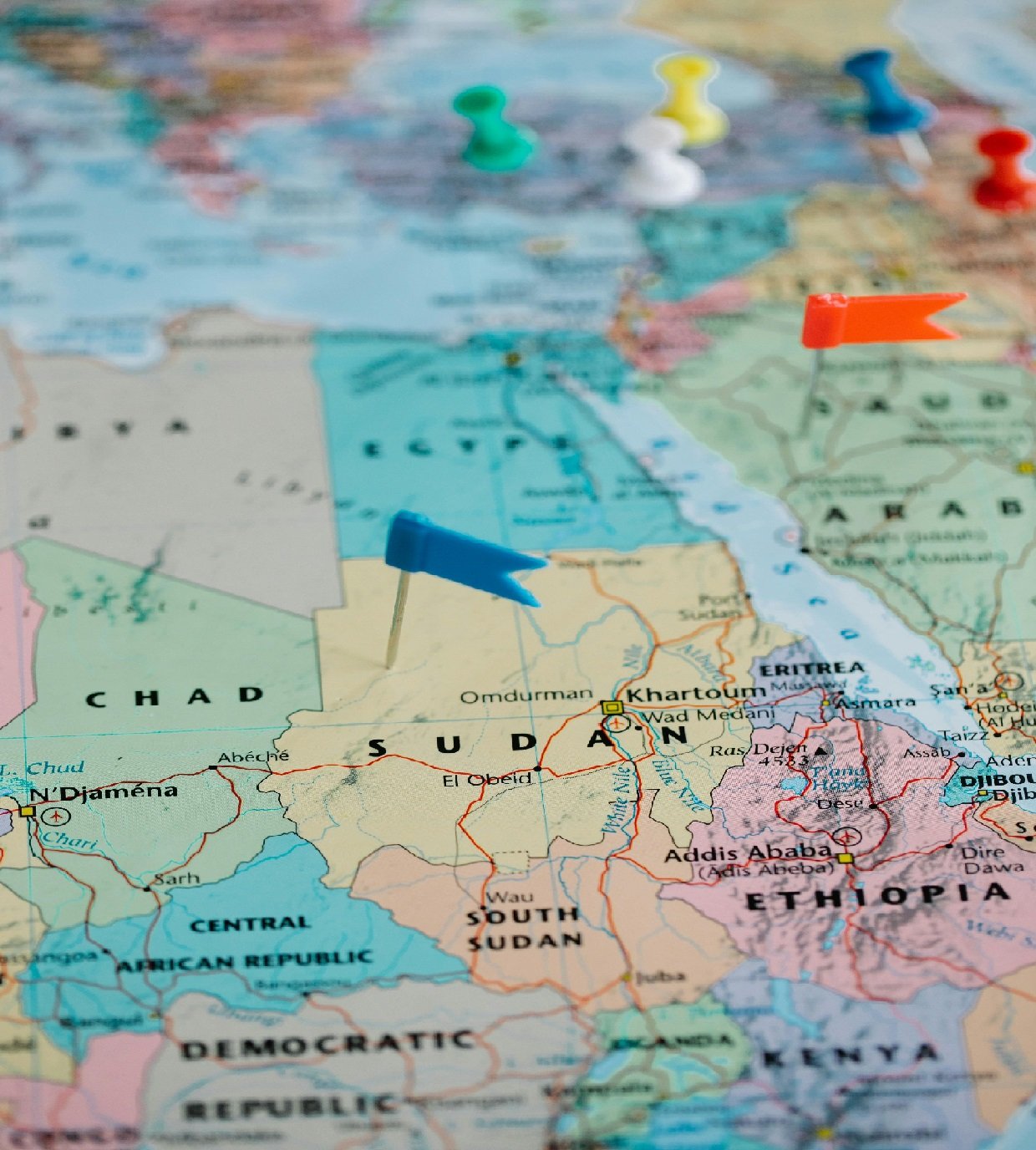
Ethiopia is blessed with a rich and diverse ecosystem, home to a wide variety of plant and animal species. The country's national parks and wildlife reserves play a crucial role in protecting this biodiversity and ensuring the conservation of these natural treasures.
One of the key functions of Ethiopian national parks is to provide a safe and protected habitat for a wide range of wildlife species. These parks serve as important sanctuaries for iconic animals such as the Ethiopian wolf, the mountain nyala, and the Gelada baboon. By preserving these habitats, national parks help to prevent the extinction of endangered species and maintain the delicate balance of the ecosystem.
In addition to protecting wildlife, Ethiopian national parks also play a vital role in safeguarding plant diversity. The country is known for its unique and diverse flora, with many endemic plant species found only in specific regions. By designating certain areas as national parks and wildlife reserves, Ethiopia ensures the preservation of these plant species for future generations to enjoy and study.
Furthermore, national parks in Ethiopia contribute to the conservation of natural resources and the maintenance of ecological processes. These protected areas help to regulate water flow, prevent soil erosion, and support pollination and seed dispersal activities. By safeguarding these ecosystems, national parks play a crucial role in mitigating the impacts of climate change and sustaining the overall health of the environment.
Moreover, Ethiopian national parks are important for promoting eco-tourism and providing economic opportunities for local communities. Tourism activities such as wildlife safaris, bird watching, and nature walks not only generate revenue but also create employment opportunities and support local businesses. By capitalizing on the natural beauty and biodiversity of these parks, Ethiopia can boost its tourism industry while also raising awareness about the importance of conservation.
In conclusion, Ethiopian national parks and wildlife reserves play a significant role in protecting the country's biodiversity and natural heritage. By preserving diverse ecosystems, safeguarding endangered species, and supporting sustainable development, these protected areas contribute to the overall well-being of both the environment and the people. It is essential to continue investing in the conservation and management of national parks to ensure the long-term preservation of Ethiopia's rich biological diversity.
Leave a Comment:
SEARCH
Recent News
- Zurich, Switzerland is a vibrant city known for its rich cultural scene and diverse music offerings. One unique aspect of Zurich's music scene is the presence of Sudanese music, which has found a home in the city's melting pot of cultures.
- Zurich, Switzerland is a vibrant city known for its picturesque landscapes, rich history, and diverse cultural scene. One fascinating aspect of Zurich's cultural tapestry is the influence of Sudanese culture in the city.
- Zurich, Switzerland is known for its multicultural atmosphere and diverse culinary scene. One of the lesser-known gems of Zurich's food scene is Sudanese cuisine. Sudanese cuisine is a reflection of the country's diverse cultural influences, blending Arabic, African, and Mediterranean flavors to create a unique and delicious culinary experience.
- Zurich, Switzerland, is a vibrant city known for its scenic beauty, rich history, and thriving business environment. One interesting aspect of Zurich's business landscape is the presence of Sudanese entrepreneurs who have made their mark in various industries in the city.
- Visiting Zurich, Switzerland, can be an enriching experience for music lovers from all corners of the world. While the city may not be the first place that comes to mind when thinking about South African music, Zurich's diverse music scene offers a glimpse into the vibrant sounds of this African nation.
- Zurich, Switzerland is a city known for its vibrant culture, stunning landscapes, and welcoming atmosphere. Over the years, Zurich has become a melting pot of diversity, attracting people from all corners of the world. One noticeable community that has found its home in Zurich is the Ethiopian population.
- Zurich, Switzerland is not only known for its picturesque landscapes and thriving economy, but also for its vibrant and growing Ethiopian diaspora community. The Ethiopian diaspora in Zurich is one of the largest in Switzerland, with a significant number of Ethiopians calling the city their home.
- Zurich, Switzerland: A Culinary Journey into Ethiopian Cuisine
READ MORE
11 months ago Category :

Zurich, Switzerland is a vibrant city known for its rich cultural scene and diverse music offerings. One unique aspect of Zurich's music scene is the presence of Sudanese music, which has found a home in the city's melting pot of cultures.
Read More →11 months ago Category :

Zurich, Switzerland is a vibrant city known for its picturesque landscapes, rich history, and diverse cultural scene. One fascinating aspect of Zurich's cultural tapestry is the influence of Sudanese culture in the city.
Read More →11 months ago Category :

Zurich, Switzerland is known for its multicultural atmosphere and diverse culinary scene. One of the lesser-known gems of Zurich's food scene is Sudanese cuisine. Sudanese cuisine is a reflection of the country's diverse cultural influences, blending Arabic, African, and Mediterranean flavors to create a unique and delicious culinary experience.
Read More →11 months ago Category :
