**The Environmental Challenges of Air and Water Pollution in Africa**
Category : | Sub Category : Posted on 2025-11-03 22:25:23
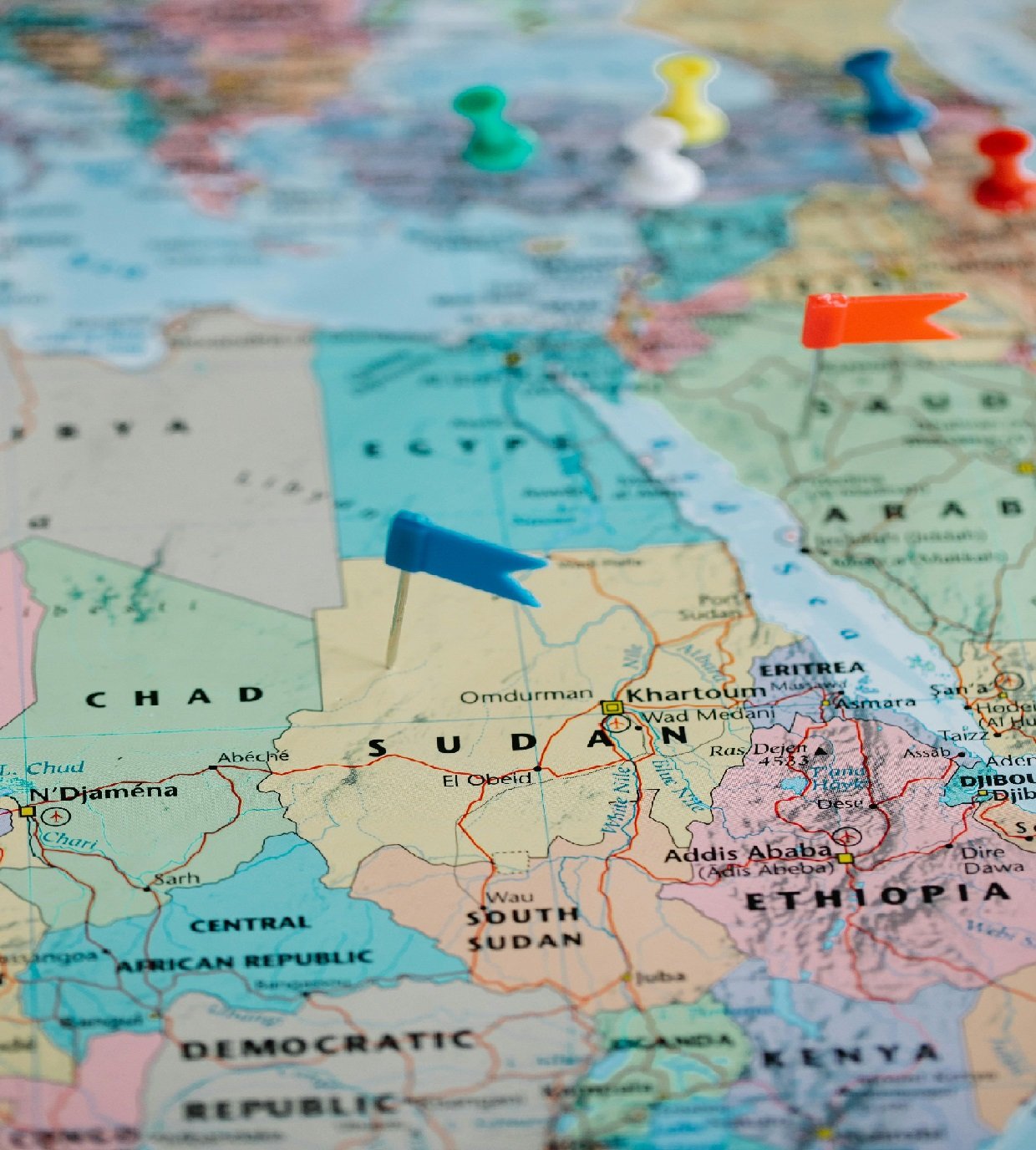
Africa is a continent blessed with vast natural resources and rich biodiversity. However, it is also facing significant environmental challenges, particularly in the areas of air and water pollution. The rapid industrialization and urbanization in many African countries have led to an increase in pollution levels, posing serious threats to public health and the environment. Air pollution in Africa is primarily caused by emissions from industries, transportation, and household activities. The burning of fossil fuels, such as coal and oil, releases harmful pollutants like sulfur dioxide, nitrogen oxides, and particulate matter into the atmosphere. In addition, open burning of waste and biomass contributes to the high levels of air pollution in many African cities. These pollutants can have a range of health impacts, including respiratory illnesses, cardiovascular diseases, and even premature death. Water pollution is another major environmental issue facing Africa. Industrial discharges, agricultural runoff, and inadequate sanitation systems all contribute to the contamination of water sources across the continent. In many African cities, untreated sewage is discharged directly into rivers and lakes, leading to the spread of waterborne diseases like cholera and typhoid. The pollution of water sources also has detrimental effects on aquatic ecosystems, affecting fish stocks and biodiversity. The consequences of air and water pollution in Africa are far-reaching. Poor air quality contributes to respiratory diseases and reduces life expectancy, particularly among vulnerable populations like children and the elderly. Contaminated water sources result in waterborne illnesses that place a significant burden on healthcare systems and lead to economic losses due to decreased productivity. Addressing the challenges of air and water pollution in Africa requires a multi-faceted approach. Governments need to strengthen environmental regulations and enforcement mechanisms to control emissions from industries and vehicles. Investments in clean energy sources, such as renewable energy and electric vehicles, can help reduce air pollution and combat climate change. In terms of water pollution, improving access to safe drinking water and sanitation facilities is crucial to protecting public health. Civil society and the private sector also have a role to play in promoting sustainable practices and raising awareness about the importance of clean air and water. Community-based initiatives, such as waste recycling programs and water conservation projects, can help reduce pollution and foster a culture of environmental stewardship. In conclusion, the environmental challenges of air and water pollution in Africa are complex and require concerted efforts at the local, national, and regional levels. By taking proactive measures to address these issues, African countries can protect public health, safeguard ecosystems, and ensure a sustainable future for generations to come. For a closer look, don't forget to read https://www.visit-kenya.com For a fresh perspective, give the following a read https://www.cameroonuniversity.com For an extensive perspective, read https://www.tsonga.org For a broader exploration, take a look at https://www.indicazioni.com Also Check the following website https://www.tonigeria.com To expand your knowledge, I recommend: https://www.tocongo.com To understand this better, read https://www.toalgeria.com also for more https://www.carretera.org For an in-depth analysis, I recommend reading https://www.abandonar.org also for more info https://www.culturelle.org Here is the following website to check: https://www.savanne.org for more https://www.tosudan.com Explore this subject further for a deeper understanding. https://www.johannesburginfo.com For more info https://www.libyainfo.com For the latest research, visit https://www.nacionalismo.com
Leave a Comment:
SEARCH
Recent News
- Zurich, Switzerland is a vibrant city known for its rich cultural scene and diverse music offerings. One unique aspect of Zurich's music scene is the presence of Sudanese music, which has found a home in the city's melting pot of cultures.
- Zurich, Switzerland is a vibrant city known for its picturesque landscapes, rich history, and diverse cultural scene. One fascinating aspect of Zurich's cultural tapestry is the influence of Sudanese culture in the city.
- Zurich, Switzerland is known for its multicultural atmosphere and diverse culinary scene. One of the lesser-known gems of Zurich's food scene is Sudanese cuisine. Sudanese cuisine is a reflection of the country's diverse cultural influences, blending Arabic, African, and Mediterranean flavors to create a unique and delicious culinary experience.
- Zurich, Switzerland, is a vibrant city known for its scenic beauty, rich history, and thriving business environment. One interesting aspect of Zurich's business landscape is the presence of Sudanese entrepreneurs who have made their mark in various industries in the city.
- Visiting Zurich, Switzerland, can be an enriching experience for music lovers from all corners of the world. While the city may not be the first place that comes to mind when thinking about South African music, Zurich's diverse music scene offers a glimpse into the vibrant sounds of this African nation.
- Zurich, Switzerland is a city known for its vibrant culture, stunning landscapes, and welcoming atmosphere. Over the years, Zurich has become a melting pot of diversity, attracting people from all corners of the world. One noticeable community that has found its home in Zurich is the Ethiopian population.
- Zurich, Switzerland is not only known for its picturesque landscapes and thriving economy, but also for its vibrant and growing Ethiopian diaspora community. The Ethiopian diaspora in Zurich is one of the largest in Switzerland, with a significant number of Ethiopians calling the city their home.
- Zurich, Switzerland: A Culinary Journey into Ethiopian Cuisine
READ MORE
11 months ago Category :

Zurich, Switzerland is a vibrant city known for its rich cultural scene and diverse music offerings. One unique aspect of Zurich's music scene is the presence of Sudanese music, which has found a home in the city's melting pot of cultures.
Read More →11 months ago Category :

Zurich, Switzerland is a vibrant city known for its picturesque landscapes, rich history, and diverse cultural scene. One fascinating aspect of Zurich's cultural tapestry is the influence of Sudanese culture in the city.
Read More →11 months ago Category :

Zurich, Switzerland is known for its multicultural atmosphere and diverse culinary scene. One of the lesser-known gems of Zurich's food scene is Sudanese cuisine. Sudanese cuisine is a reflection of the country's diverse cultural influences, blending Arabic, African, and Mediterranean flavors to create a unique and delicious culinary experience.
Read More →11 months ago Category :
