Understanding Economic Nationalism in Africa
Category : | Sub Category : Posted on 2025-11-03 22:25:23
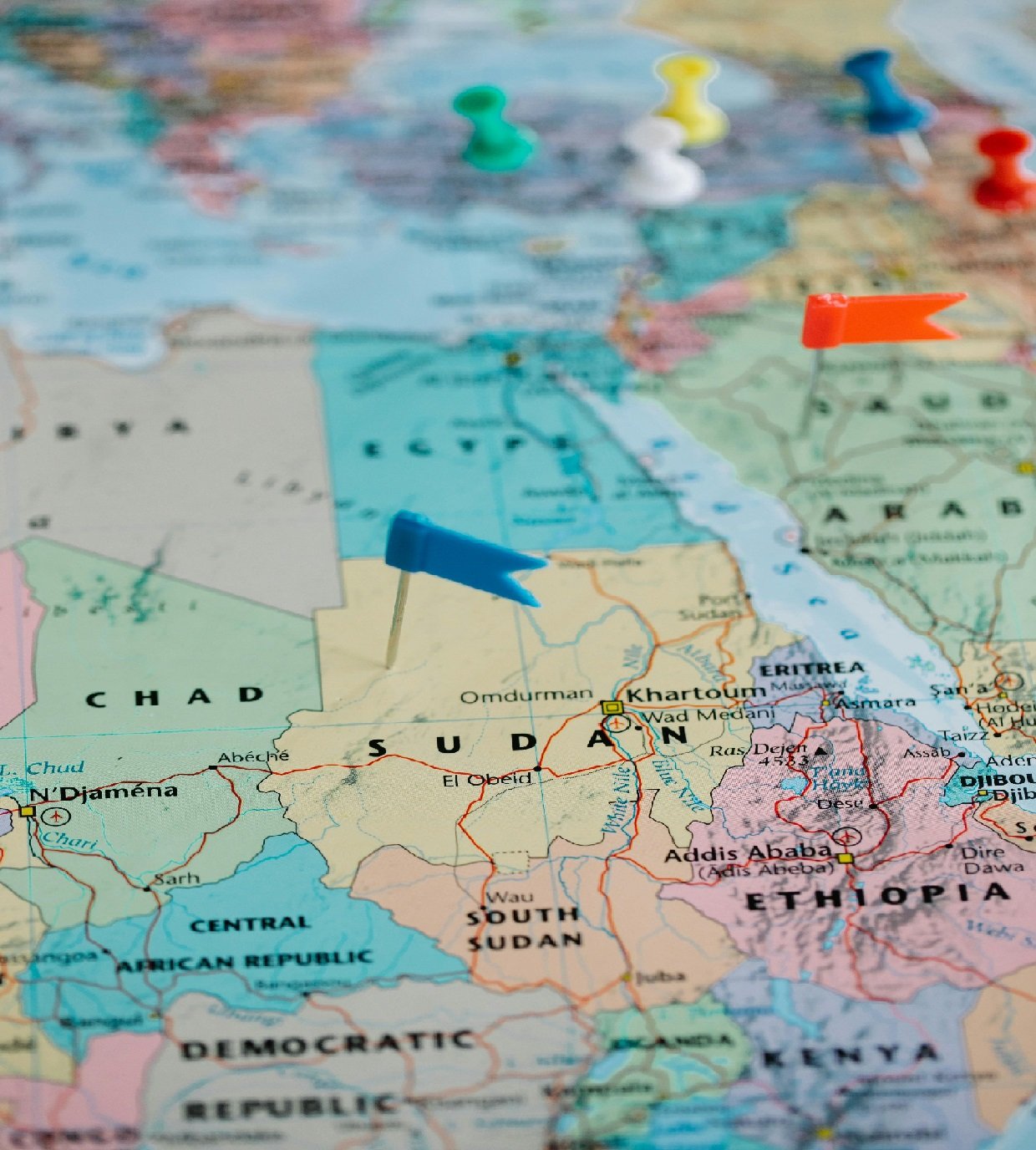
Economic nationalism is a phenomenon that has increasingly gained traction in Africa in recent years. Characterized by a focus on promoting domestic industries, protecting local markets, and reducing dependence on foreign investments, economic nationalism has emerged as a response to the continent's historical experiences of exploitation and underdevelopment. Several African countries have adopted policies aimed at fostering economic independence and self-reliance. This includes measures such as import substitution, where countries prioritize producing goods domestically instead of relying on imports. By doing so, African nations seek to build up their own industries, create jobs for their citizens, and reduce their vulnerability to external economic shocks. One of the key drivers of economic nationalism in Africa is the desire to reclaim economic sovereignty and assert greater control over resources and markets. Many African countries have rich reserves of natural resources, yet they have often not reaped the full benefits due to exploitative practices by foreign companies. Economic nationalism seeks to reverse this trend by ensuring that local resources are used for the benefit of African nations and their people. Additionally, economic nationalism in Africa is also driven by the need to address persistent inequalities and poverty on the continent. By promoting local industries and job creation, countries hope to boost economic growth and improve living standards for their populations. This focus on inclusive economic development is crucial for reducing poverty and building more resilient and self-sustaining economies. While economic nationalism can offer important benefits for African countries, it also comes with challenges. Protectionist policies can lead to trade tensions with other nations and limit access to global markets. Moreover, promoting domestic industries may require significant investments in infrastructure, technology, and skills development to ensure competitiveness on a global scale. In conclusion, economic nationalism in Africa reflects a growing desire for greater economic self-determination and sustainable development. By prioritizing domestic industries, fostering job creation, and promoting inclusive growth, African countries can work towards building more resilient and prosperous economies. Balancing the goals of economic nationalism with the need for international cooperation and trade will be crucial for realizing the full potential of Africa's economic transformation. Explore this subject further for a deeper understanding. https://www.visit-kenya.com For a closer look, don't forget to read https://www.cameroonuniversity.com For a comprehensive overview, don't miss: https://www.tsonga.org For a different perspective, see: https://www.indicazioni.com If you are enthusiast, check the following link https://www.tonigeria.com click the following link for more information: https://www.tocongo.com For comprehensive coverage, check out https://www.toalgeria.com More about this subject in https://www.carretera.org Looking for expert opinions? Find them in https://www.abandonar.org Dive into the details to understand this topic thoroughly. https://www.culturelle.org If you are interested you can check the following website https://www.savanne.org Want to gain insights? Start with https://www.tosudan.com For an alternative viewpoint, explore https://www.johannesburginfo.com Seeking answers? You might find them in https://www.libyainfo.com For a detailed analysis, explore: https://www.nacionalismo.com
Leave a Comment:
SEARCH
Recent News
- Zurich, Switzerland is a vibrant city known for its rich cultural scene and diverse music offerings. One unique aspect of Zurich's music scene is the presence of Sudanese music, which has found a home in the city's melting pot of cultures.
- Zurich, Switzerland is a vibrant city known for its picturesque landscapes, rich history, and diverse cultural scene. One fascinating aspect of Zurich's cultural tapestry is the influence of Sudanese culture in the city.
- Zurich, Switzerland is known for its multicultural atmosphere and diverse culinary scene. One of the lesser-known gems of Zurich's food scene is Sudanese cuisine. Sudanese cuisine is a reflection of the country's diverse cultural influences, blending Arabic, African, and Mediterranean flavors to create a unique and delicious culinary experience.
- Zurich, Switzerland, is a vibrant city known for its scenic beauty, rich history, and thriving business environment. One interesting aspect of Zurich's business landscape is the presence of Sudanese entrepreneurs who have made their mark in various industries in the city.
- Visiting Zurich, Switzerland, can be an enriching experience for music lovers from all corners of the world. While the city may not be the first place that comes to mind when thinking about South African music, Zurich's diverse music scene offers a glimpse into the vibrant sounds of this African nation.
- Zurich, Switzerland is a city known for its vibrant culture, stunning landscapes, and welcoming atmosphere. Over the years, Zurich has become a melting pot of diversity, attracting people from all corners of the world. One noticeable community that has found its home in Zurich is the Ethiopian population.
- Zurich, Switzerland is not only known for its picturesque landscapes and thriving economy, but also for its vibrant and growing Ethiopian diaspora community. The Ethiopian diaspora in Zurich is one of the largest in Switzerland, with a significant number of Ethiopians calling the city their home.
- Zurich, Switzerland: A Culinary Journey into Ethiopian Cuisine
READ MORE
11 months ago Category :

Zurich, Switzerland is a vibrant city known for its rich cultural scene and diverse music offerings. One unique aspect of Zurich's music scene is the presence of Sudanese music, which has found a home in the city's melting pot of cultures.
Read More →11 months ago Category :

Zurich, Switzerland is a vibrant city known for its picturesque landscapes, rich history, and diverse cultural scene. One fascinating aspect of Zurich's cultural tapestry is the influence of Sudanese culture in the city.
Read More →11 months ago Category :

Zurich, Switzerland is known for its multicultural atmosphere and diverse culinary scene. One of the lesser-known gems of Zurich's food scene is Sudanese cuisine. Sudanese cuisine is a reflection of the country's diverse cultural influences, blending Arabic, African, and Mediterranean flavors to create a unique and delicious culinary experience.
Read More →11 months ago Category :
