Africa: A Rich Tapestry of Inductive Reasoning
Category : | Sub Category : Posted on 2025-11-03 22:25:23
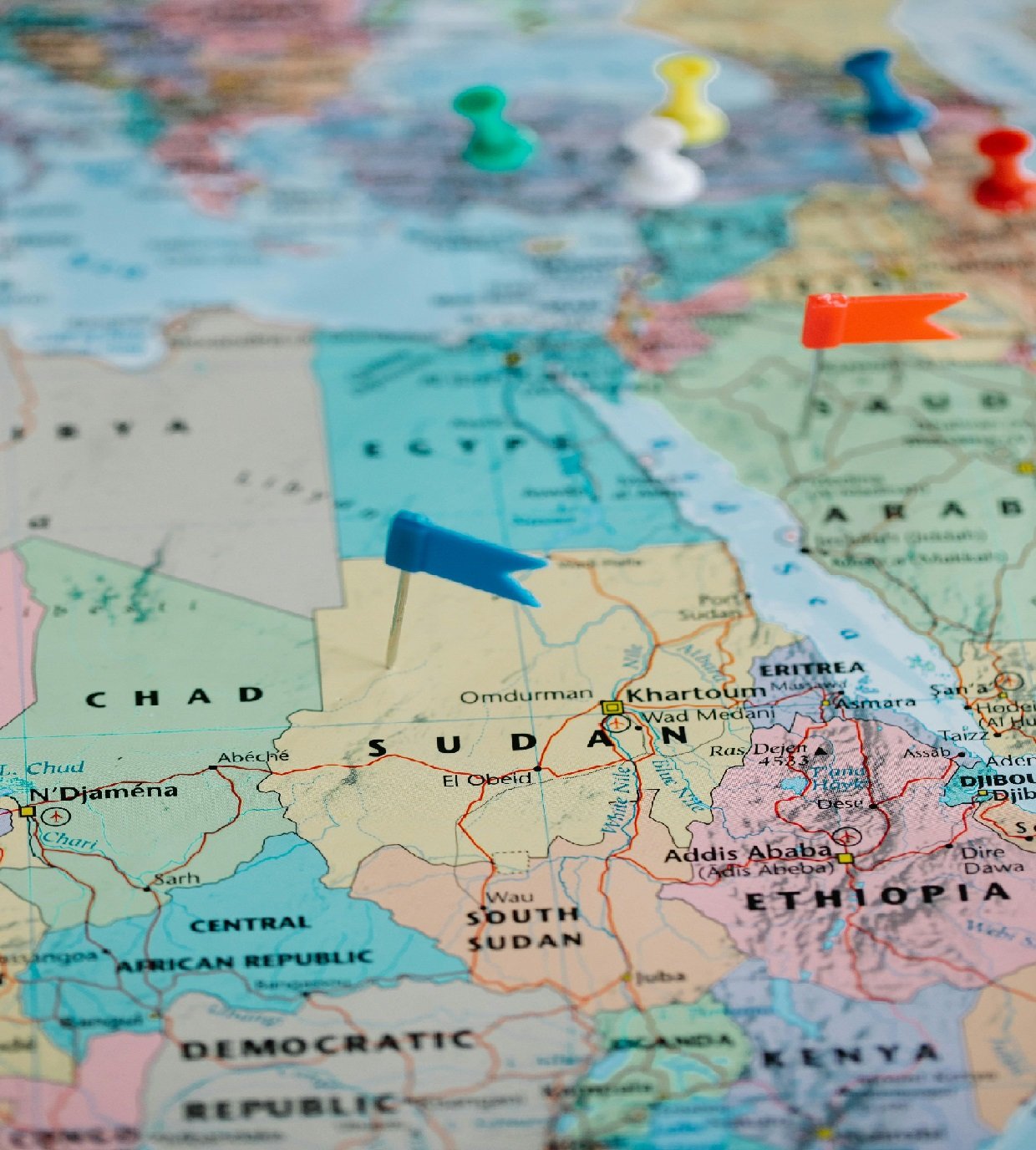
Africa, the second largest continent on Earth, is a land of immense diversity and complexity. With its vast landscapes, diverse cultures, and rich history, Africa provides a fertile ground for employing inductive reasoning to better understand its many facets. Inductive reasoning involves making generalizations based on specific observations or examples. In the context of Africa, this means looking at the unique qualities of individual countries, societies, and ecosystems to draw broader conclusions about the continent as a whole. One example of inductive reasoning in Africa is the study of traditional healing practices. By examining the various indigenous healing methods across different African cultures, researchers can identify common themes and principles that inform our understanding of traditional medicine on the continent. This approach allows us to appreciate the diversity and resilience of African healing traditions while also recognizing the shared values that underpin them. Similarly, inductive reasoning can be applied to the study of African history. By analyzing specific events, cultural practices, and social movements in different regions of Africa, historians can piece together a more nuanced and comprehensive narrative of the continent's rich past. This bottom-up approach to historical analysis helps to challenge stereotypes and misconceptions about Africa while highlighting the agency and diversity of its peoples. Moreover, inductive reasoning can be a valuable tool for exploring the environmental challenges facing Africa today. By studying specific case studies of deforestation, land degradation, and climate change adaptation efforts in different African countries, researchers can identify common patterns and best practices that can inform more sustainable and equitable environmental policies across the continent. In conclusion, Africa offers a wealth of opportunities for employing inductive reasoning to deepen our understanding of its diverse landscapes, cultures, and histories. By starting with specific observations and examples, we can draw broader conclusions and uncover deeper insights into the complexities and nuances of the African continent. Through the lens of inductive reasoning, we can appreciate the rich tapestry of Africa in all its diversity and interconnectedness. To get a holistic view, consider https://www.visit-kenya.com Also Check the following website https://www.cameroonuniversity.com To get a holistic view, consider https://www.tsonga.org also for more info https://www.indicazioni.com Get a well-rounded perspective with https://www.tonigeria.com Visit the following website https://www.tocongo.com Expand your knowledge by perusing https://www.toalgeria.com Dive into the details to understand this topic thoroughly. https://www.carretera.org also for more info https://www.abandonar.org also for more https://www.culturelle.org also this link is for more information https://www.savanne.org You can find more about this subject in https://www.tosudan.com For the latest insights, read: https://www.johannesburginfo.com For a broader perspective, don't miss https://www.libyainfo.com For an extensive perspective, read https://www.nacionalismo.com
Leave a Comment:
SEARCH
Recent News
- Zurich, Switzerland is a vibrant city known for its rich cultural scene and diverse music offerings. One unique aspect of Zurich's music scene is the presence of Sudanese music, which has found a home in the city's melting pot of cultures.
- Zurich, Switzerland is a vibrant city known for its picturesque landscapes, rich history, and diverse cultural scene. One fascinating aspect of Zurich's cultural tapestry is the influence of Sudanese culture in the city.
- Zurich, Switzerland is known for its multicultural atmosphere and diverse culinary scene. One of the lesser-known gems of Zurich's food scene is Sudanese cuisine. Sudanese cuisine is a reflection of the country's diverse cultural influences, blending Arabic, African, and Mediterranean flavors to create a unique and delicious culinary experience.
- Zurich, Switzerland, is a vibrant city known for its scenic beauty, rich history, and thriving business environment. One interesting aspect of Zurich's business landscape is the presence of Sudanese entrepreneurs who have made their mark in various industries in the city.
- Visiting Zurich, Switzerland, can be an enriching experience for music lovers from all corners of the world. While the city may not be the first place that comes to mind when thinking about South African music, Zurich's diverse music scene offers a glimpse into the vibrant sounds of this African nation.
- Zurich, Switzerland is a city known for its vibrant culture, stunning landscapes, and welcoming atmosphere. Over the years, Zurich has become a melting pot of diversity, attracting people from all corners of the world. One noticeable community that has found its home in Zurich is the Ethiopian population.
- Zurich, Switzerland is not only known for its picturesque landscapes and thriving economy, but also for its vibrant and growing Ethiopian diaspora community. The Ethiopian diaspora in Zurich is one of the largest in Switzerland, with a significant number of Ethiopians calling the city their home.
- Zurich, Switzerland: A Culinary Journey into Ethiopian Cuisine
READ MORE
11 months ago Category :

Zurich, Switzerland is a vibrant city known for its rich cultural scene and diverse music offerings. One unique aspect of Zurich's music scene is the presence of Sudanese music, which has found a home in the city's melting pot of cultures.
Read More →11 months ago Category :

Zurich, Switzerland is a vibrant city known for its picturesque landscapes, rich history, and diverse cultural scene. One fascinating aspect of Zurich's cultural tapestry is the influence of Sudanese culture in the city.
Read More →11 months ago Category :

Zurich, Switzerland is known for its multicultural atmosphere and diverse culinary scene. One of the lesser-known gems of Zurich's food scene is Sudanese cuisine. Sudanese cuisine is a reflection of the country's diverse cultural influences, blending Arabic, African, and Mediterranean flavors to create a unique and delicious culinary experience.
Read More →11 months ago Category :
