Architecture in Ethiopian Diaspora Communities: A Blend of Cultures and Traditions
Category : | Sub Category : Posted on 2025-11-03 22:25:23
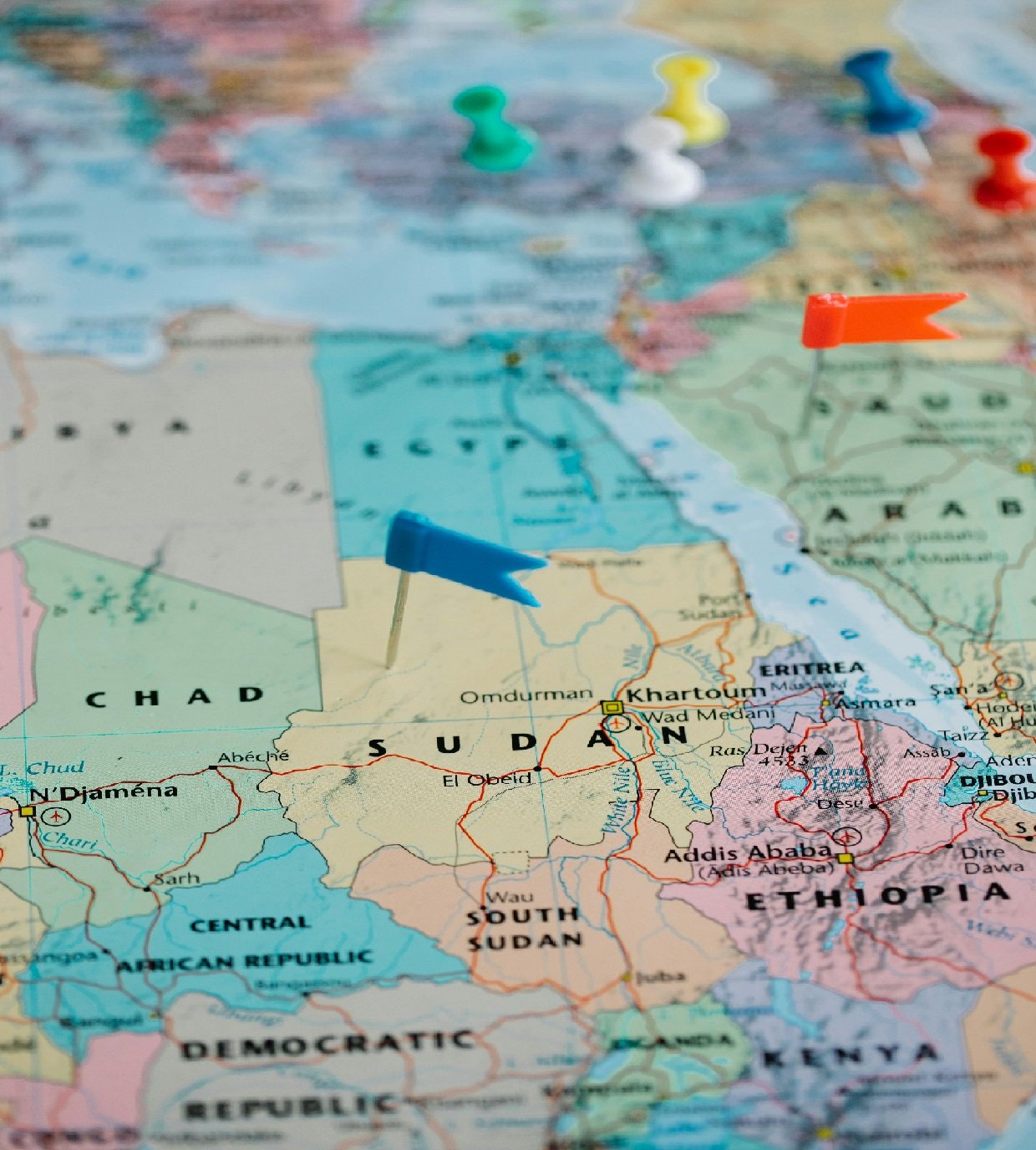
The Ethiopian diaspora communities around the world represent a rich tapestry of culture, tradition, and history. One of the most visible manifestations of this cultural heritage can be seen in the architecture of Ethiopian diaspora communities. With roots in a country known for its ancient and diverse architectural styles, these communities have brought a unique blend of traditional Ethiopian elements and contemporary influences to their built environments. Ethiopian architecture is characterized by its use of natural materials such as stone, wood, and thatch, as well as its distinctive structural forms and decorative motifs. Traditional Ethiopian houses, known as tukuls, are often round or square in shape with conical thatched roofs. These structures are designed to provide natural ventilation and insulation, making them well-suited to the Ethiopian climate. In diaspora communities, Ethiopian architectural traditions are often reinterpreted and adapted to suit contemporary lifestyles and building codes. Many Ethiopians living abroad choose to incorporate elements of traditional Ethiopian architecture into their homes and community spaces as a way to maintain their cultural heritage and identity. One example of this blending of cultures can be seen in the design of Ethiopian restaurants and cultural centers in diaspora communities. These establishments often feature traditional Ethiopian elements such as decorative carvings, woven textiles, and injera bread-making stations, combined with modern amenities and design aesthetics. Ethiopian churches in diaspora communities also reflect a fusion of traditional Ethiopian architectural styles with influences from the countries in which they are located. These churches often feature colorful murals, intricate wood carvings, and iconic Ethiopian crosses, creating spaces that are both spiritually uplifting and culturally resonant. As Ethiopian diaspora communities continue to grow and evolve, so too will their architectural expressions. By drawing on the rich heritage of Ethiopian architecture and integrating it with contemporary design principles, these communities are creating spaces that reflect their identity, values, and aspirations. In conclusion, the architecture of Ethiopian diaspora communities serves as a tangible expression of cultural continuity and adaptation. By blending traditional Ethiopian elements with contemporary influences, these communities are creating vibrant and unique built environments that celebrate their heritage and enrich the cultural landscape of their host countries. --- If you would like more specific information or details on any aspect of architecture in Ethiopian diaspora communities, feel free to let me know! For a different take on this issue, see https://www.tsonga.org For a different perspective, see: https://www.indicazioni.com For expert commentary, delve into https://www.tonigeria.com If you are interested you can check https://www.tocongo.com For a different take on this issue, see https://www.abandonar.org If you are enthusiast, check this out https://www.culturelle.org Have a visit at https://www.savanne.org Looking for more information? Check out https://www.departements.org Have a look at the following website to get more information https://www.regionales.net Find expert opinions in https://www.tosudan.com For a detailed analysis, explore: https://www.johannesburginfo.com To get a better understanding, go through https://www.libyainfo.com
Leave a Comment:
SEARCH
Recent News
- Zurich, Switzerland is a vibrant city known for its rich cultural scene and diverse music offerings. One unique aspect of Zurich's music scene is the presence of Sudanese music, which has found a home in the city's melting pot of cultures.
- Zurich, Switzerland is a vibrant city known for its picturesque landscapes, rich history, and diverse cultural scene. One fascinating aspect of Zurich's cultural tapestry is the influence of Sudanese culture in the city.
- Zurich, Switzerland is known for its multicultural atmosphere and diverse culinary scene. One of the lesser-known gems of Zurich's food scene is Sudanese cuisine. Sudanese cuisine is a reflection of the country's diverse cultural influences, blending Arabic, African, and Mediterranean flavors to create a unique and delicious culinary experience.
- Zurich, Switzerland, is a vibrant city known for its scenic beauty, rich history, and thriving business environment. One interesting aspect of Zurich's business landscape is the presence of Sudanese entrepreneurs who have made their mark in various industries in the city.
- Visiting Zurich, Switzerland, can be an enriching experience for music lovers from all corners of the world. While the city may not be the first place that comes to mind when thinking about South African music, Zurich's diverse music scene offers a glimpse into the vibrant sounds of this African nation.
- Zurich, Switzerland is a city known for its vibrant culture, stunning landscapes, and welcoming atmosphere. Over the years, Zurich has become a melting pot of diversity, attracting people from all corners of the world. One noticeable community that has found its home in Zurich is the Ethiopian population.
- Zurich, Switzerland is not only known for its picturesque landscapes and thriving economy, but also for its vibrant and growing Ethiopian diaspora community. The Ethiopian diaspora in Zurich is one of the largest in Switzerland, with a significant number of Ethiopians calling the city their home.
- Zurich, Switzerland: A Culinary Journey into Ethiopian Cuisine
READ MORE
11 months ago Category :

Zurich, Switzerland is a vibrant city known for its rich cultural scene and diverse music offerings. One unique aspect of Zurich's music scene is the presence of Sudanese music, which has found a home in the city's melting pot of cultures.
Read More →11 months ago Category :

Zurich, Switzerland is a vibrant city known for its picturesque landscapes, rich history, and diverse cultural scene. One fascinating aspect of Zurich's cultural tapestry is the influence of Sudanese culture in the city.
Read More →11 months ago Category :

Zurich, Switzerland is known for its multicultural atmosphere and diverse culinary scene. One of the lesser-known gems of Zurich's food scene is Sudanese cuisine. Sudanese cuisine is a reflection of the country's diverse cultural influences, blending Arabic, African, and Mediterranean flavors to create a unique and delicious culinary experience.
Read More →11 months ago Category :
