Debt and Loans: Understanding the Impact on Ethiopian Immigration
Category : | Sub Category : Posted on 2025-11-03 22:25:23
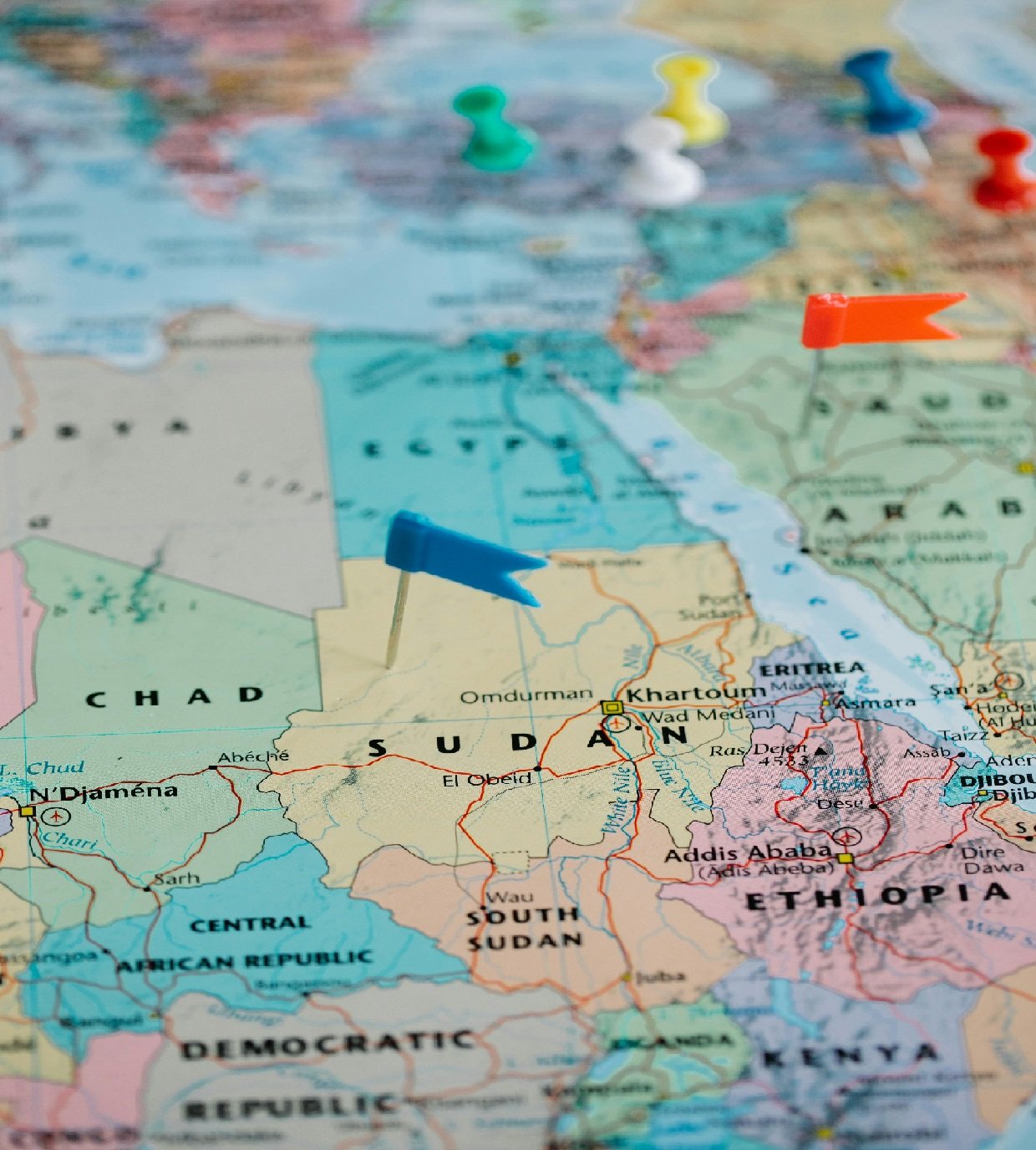
The issue of debt and loans plays a significant role in the decision-making process of many Ethiopians when it comes to immigration. In a country where economic opportunities can be limited, the appeal of seeking a better life abroad is strong. However, the financial burden of debt and loans can either facilitate or hinder the process of immigration. For many Ethiopians, taking out loans is a common practice to fund various aspects of their lives, such as education, housing, or starting a business. However, the accumulation of debt can create a barrier to immigration, as potential migrants may fear the impact of leaving behind financial obligations that they are unable to repay. On the other hand, some individuals may see immigration as a solution to their debt problems. By moving to a country with better job opportunities and higher wages, they hope to alleviate their financial burdens and improve their standard of living. However, this decision is not without risks, as the costs associated with immigration, such as visa fees, travel expenses, and settlement costs, can further exacerbate their debt situation. In some cases, individuals may resort to informal borrowing methods, such as loan sharks, to finance their immigration journey. This can lead to a cycle of debt that traps migrants in precarious situations, making them vulnerable to exploitation and abuse. Furthermore, immigrants who arrive in their destination country with existing debts may face challenges in accessing credit and financial services, which can hinder their ability to integrate and establish themselves in their new environment. Overall, the intersection of debt and loans with the process of Ethiopian immigration highlights the complex financial considerations that individuals must navigate when making the decision to move abroad. By understanding the implications of debt on immigration, policymakers and organizations can develop targeted support systems to assist migrants in managing their financial obligations and successfully integrating into their new communities. For an in-depth analysis, I recommend reading https://www.indicazioni.com Seeking answers? You might find them in https://www.tonigeria.com also for more info https://www.tocongo.com If you are enthusiast, check the following link https://www.deber.org Explore this subject in detail with https://www.abandonar.org also don't miss more information at https://www.culturelle.org To see the full details, click on: https://www.savanne.org To get a holistic view, consider https://www.departements.org To get a better understanding, go through https://www.regionales.net to Get more information at https://www.tosudan.com To find answers, navigate to https://www.johannesburginfo.com For an extensive perspective, read https://www.libyainfo.com Expand your knowledge by perusing https://www.coopenae.com For a comprehensive overview, don't miss: https://www.btcturk.net To see the full details, click on: https://www.nitropack.org sources: https://www.nequi.org
Leave a Comment:
SEARCH
Recent News
- Zurich, Switzerland is a vibrant city known for its rich cultural scene and diverse music offerings. One unique aspect of Zurich's music scene is the presence of Sudanese music, which has found a home in the city's melting pot of cultures.
- Zurich, Switzerland is a vibrant city known for its picturesque landscapes, rich history, and diverse cultural scene. One fascinating aspect of Zurich's cultural tapestry is the influence of Sudanese culture in the city.
- Zurich, Switzerland is known for its multicultural atmosphere and diverse culinary scene. One of the lesser-known gems of Zurich's food scene is Sudanese cuisine. Sudanese cuisine is a reflection of the country's diverse cultural influences, blending Arabic, African, and Mediterranean flavors to create a unique and delicious culinary experience.
- Zurich, Switzerland, is a vibrant city known for its scenic beauty, rich history, and thriving business environment. One interesting aspect of Zurich's business landscape is the presence of Sudanese entrepreneurs who have made their mark in various industries in the city.
- Visiting Zurich, Switzerland, can be an enriching experience for music lovers from all corners of the world. While the city may not be the first place that comes to mind when thinking about South African music, Zurich's diverse music scene offers a glimpse into the vibrant sounds of this African nation.
- Zurich, Switzerland is a city known for its vibrant culture, stunning landscapes, and welcoming atmosphere. Over the years, Zurich has become a melting pot of diversity, attracting people from all corners of the world. One noticeable community that has found its home in Zurich is the Ethiopian population.
- Zurich, Switzerland is not only known for its picturesque landscapes and thriving economy, but also for its vibrant and growing Ethiopian diaspora community. The Ethiopian diaspora in Zurich is one of the largest in Switzerland, with a significant number of Ethiopians calling the city their home.
- Zurich, Switzerland: A Culinary Journey into Ethiopian Cuisine
READ MORE
9 months ago Category :

Zurich, Switzerland is a vibrant city known for its rich cultural scene and diverse music offerings. One unique aspect of Zurich's music scene is the presence of Sudanese music, which has found a home in the city's melting pot of cultures.
Read More →9 months ago Category :

Zurich, Switzerland is a vibrant city known for its picturesque landscapes, rich history, and diverse cultural scene. One fascinating aspect of Zurich's cultural tapestry is the influence of Sudanese culture in the city.
Read More →9 months ago Category :

Zurich, Switzerland is known for its multicultural atmosphere and diverse culinary scene. One of the lesser-known gems of Zurich's food scene is Sudanese cuisine. Sudanese cuisine is a reflection of the country's diverse cultural influences, blending Arabic, African, and Mediterranean flavors to create a unique and delicious culinary experience.
Read More →9 months ago Category :
