Sudanese Cuisine: A Delicious Exploration of Food Control
Category : | Sub Category : Posted on 2025-11-03 22:25:23
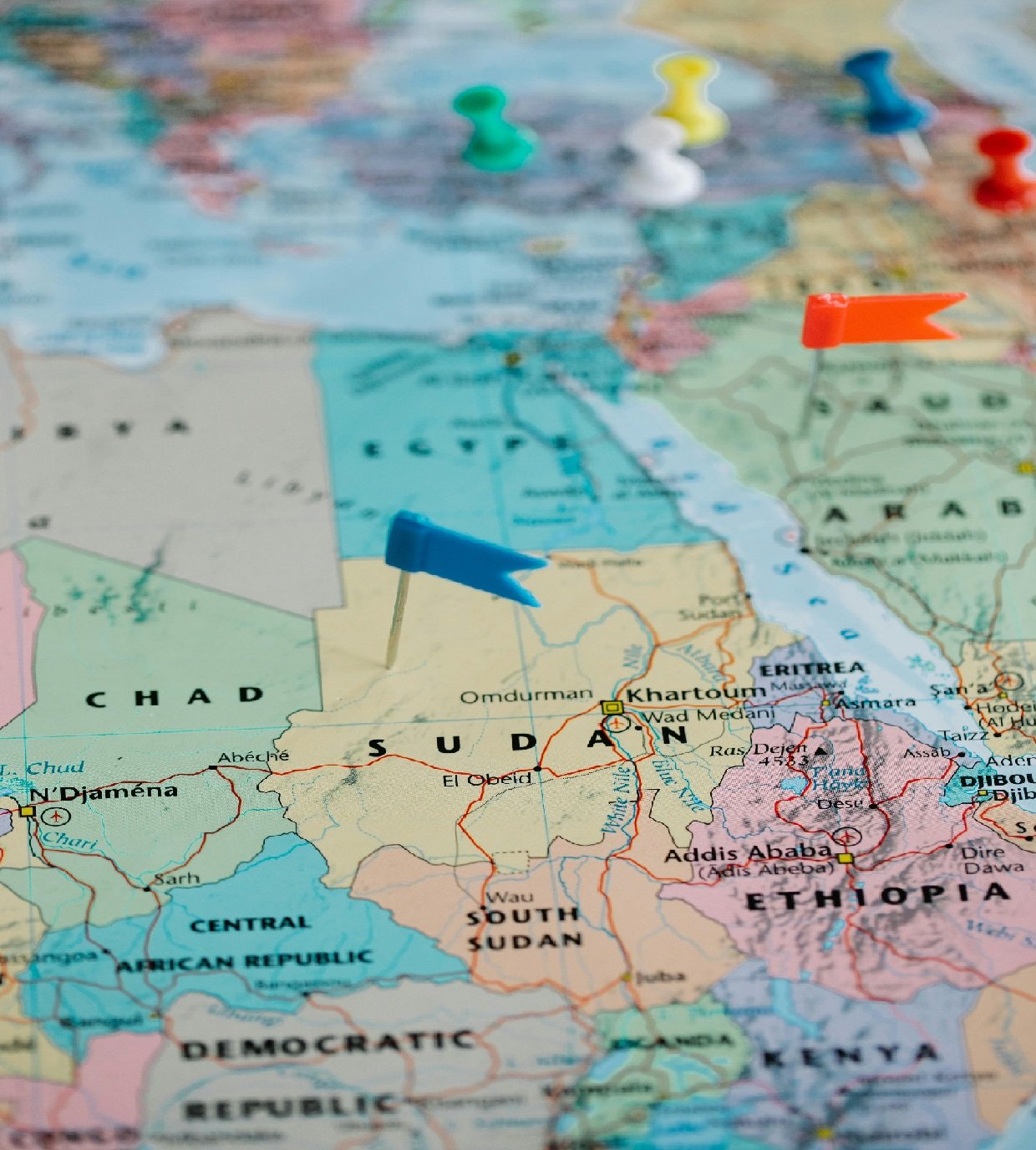
Sudanese cuisine is a fascinating and diverse mix of flavors and dishes that reflect the country's rich history and cultural influences. From hearty stews to flavorful breads, Sudanese food is sure to delight your senses and tantalize your taste buds. In this blog post, we will take a closer look at Sudanese cuisine and how the concept of food control plays a role in shaping the country's culinary landscape. Food control in Sudanese cuisine is largely influenced by the country's geographic location and its history as a cultural crossroads. Situated at the confluence of North Africa and the Middle East, Sudanese cuisine draws inspiration from a variety of sources, including Arab, African, and Ottoman influences. This blending of flavors and cooking techniques has resulted in a unique culinary tradition that is both vibrant and diverse. One of the defining features of Sudanese cuisine is the emphasis on communal dining and sharing meals with family and friends. In Sudanese culture, food is seen as a way to bring people together and strengthen social bonds. As a result, large communal meals are a common sight in Sudanese households and are often prepared with great care and attention to detail. Staple ingredients in Sudanese cuisine include sorghum, millet, okra, and lentils, which are used to make a variety of dishes such as aseeda (a type of porridge), ful medames (mashed fava beans), and bamia (okra stew). Spices such as cumin, coriander, and cardamom are also commonly used to add depth and flavor to Sudanese dishes. One of the most popular dishes in Sudanese cuisine is kisra, a type of flatbread made from sorghum or millet flour. Kisra is often served with stews and curries, providing a perfect vehicle for soaking up flavorful sauces and gravies. Another famous Sudanese dish is agashe, a hearty soup made with vegetables, lentils, and sometimes meat, simmered to perfection and seasoned with an aromatic blend of spices. In Sudanese cuisine, food control also extends to the traditional methods of food preservation and storage. Given the country's climate and limited access to modern refrigeration technology, Sudanese cooks have developed ingenious ways to preserve food, such as drying meat and vegetables in the sun or fermenting ingredients to extend their shelf life. Overall, Sudanese cuisine offers a delightful exploration of flavors and textures that will appeal to food lovers of all tastes. Whether you're sampling a steaming bowl of ful medames at a local market or savoring a piece of kisra with your family at home, Sudanese food is sure to leave a lasting impression. So next time you're looking to expand your culinary horizons, consider giving Sudanese cuisine a try and discover the delicious world of food control in this vibrant culinary tradition. To learn more, take a look at: https://www.nerdcook.com Get more at https://www.indianspecialty.com Have a visit at https://www.bestindianfoods.com Get a well-rounded perspective with https://www.deleci.com If you are enthusiast, check the following link https://www.adriaticfood.com For a comprehensive overview, don't miss: https://www.alienvegan.com To gain a holistic understanding, refer to https://www.childnut.com If you're interested in this topic, I suggest reading https://www.cfruits.com For the latest insights, read: https://www.topinduction.com Check the link: https://www.foxysweet.com To expand your knowledge, I recommend: https://www.eatnaturals.com For more info https://www.biofitnesslab.com You can find more about this subject in https://www.swiss-cuisine.com Get a comprehensive view with https://www.mimidate.com For an in-depth examination, refer to https://www.egyptwn.com To get more information check: https://www.huevo.org For expert commentary, delve into https://www.digestible.org For more information about this: https://www.vacas.net Explore this subject further by checking out https://www.agriculturist.org For a closer look, don't forget to read https://www.cheffy.org For a different angle, consider what the following has to say. https://www.loseweighton.com For a broader exploration, take a look at https://www.stomachs.org Don't miss more information at https://www.tsonga.org You can also check following website for more information about this subject: https://www.indicazioni.com If you're interested in this topic, I suggest reading https://www.tonigeria.com You can also Have a visit at https://www.tocongo.com to Get more information at https://www.toabudhabi.com Get a comprehensive view with https://www.cruzar.org also for more info https://www.toalgeria.com this link is for more information https://www.yemekleri.org Here is the following website to check: https://www.abandonar.org For additional information, refer to: https://www.culturelle.org For a comprehensive overview, don't miss: https://www.savanne.org If you are interested you can check the following website https://www.departements.org If you're interested in this topic, I suggest reading https://www.salting.org Visit the following website https://www.syrien.org Get a well-rounded perspective with https://www.instan.net If you're interested in this topic, I suggest reading https://www.regionales.net If you are enthusiast, check the following link https://www.japfa.org For expert commentary, delve into https://www.ncciraq.com to Get more information at https://www.makanan.org for more https://www.nafdac.org visit: https://www.todamascus.com For an alternative viewpoint, explore https://www.totunisia.com For a fresh perspective, give the following a read https://www.tosudan.com For a detailed analysis, explore: https://www.johannesburginfo.com Curious to learn more? Click on https://www.libyainfo.com Discover more about this topic through https://www.gustar.net
Leave a Comment:
SEARCH
Recent News
- Zurich, Switzerland is a vibrant city known for its rich cultural scene and diverse music offerings. One unique aspect of Zurich's music scene is the presence of Sudanese music, which has found a home in the city's melting pot of cultures.
- Zurich, Switzerland is a vibrant city known for its picturesque landscapes, rich history, and diverse cultural scene. One fascinating aspect of Zurich's cultural tapestry is the influence of Sudanese culture in the city.
- Zurich, Switzerland is known for its multicultural atmosphere and diverse culinary scene. One of the lesser-known gems of Zurich's food scene is Sudanese cuisine. Sudanese cuisine is a reflection of the country's diverse cultural influences, blending Arabic, African, and Mediterranean flavors to create a unique and delicious culinary experience.
- Zurich, Switzerland, is a vibrant city known for its scenic beauty, rich history, and thriving business environment. One interesting aspect of Zurich's business landscape is the presence of Sudanese entrepreneurs who have made their mark in various industries in the city.
- Visiting Zurich, Switzerland, can be an enriching experience for music lovers from all corners of the world. While the city may not be the first place that comes to mind when thinking about South African music, Zurich's diverse music scene offers a glimpse into the vibrant sounds of this African nation.
- Zurich, Switzerland is a city known for its vibrant culture, stunning landscapes, and welcoming atmosphere. Over the years, Zurich has become a melting pot of diversity, attracting people from all corners of the world. One noticeable community that has found its home in Zurich is the Ethiopian population.
- Zurich, Switzerland is not only known for its picturesque landscapes and thriving economy, but also for its vibrant and growing Ethiopian diaspora community. The Ethiopian diaspora in Zurich is one of the largest in Switzerland, with a significant number of Ethiopians calling the city their home.
- Zurich, Switzerland: A Culinary Journey into Ethiopian Cuisine
READ MORE
9 months ago Category :

Zurich, Switzerland is a vibrant city known for its rich cultural scene and diverse music offerings. One unique aspect of Zurich's music scene is the presence of Sudanese music, which has found a home in the city's melting pot of cultures.
Read More →9 months ago Category :

Zurich, Switzerland is a vibrant city known for its picturesque landscapes, rich history, and diverse cultural scene. One fascinating aspect of Zurich's cultural tapestry is the influence of Sudanese culture in the city.
Read More →9 months ago Category :

Zurich, Switzerland is known for its multicultural atmosphere and diverse culinary scene. One of the lesser-known gems of Zurich's food scene is Sudanese cuisine. Sudanese cuisine is a reflection of the country's diverse cultural influences, blending Arabic, African, and Mediterranean flavors to create a unique and delicious culinary experience.
Read More →9 months ago Category :
