The Ethiopian diaspora community is a widespread and vibrant network of individuals who have left their homeland and settled in various parts of the world. One way to visually represent the global footprint of Ethiopian diaspora communities is through maps. Mapping out these communities can provide valuable insights into their distribution, size, and impact on the countries in which they reside.
Category : | Sub Category : Posted on 2025-11-03 22:25:23
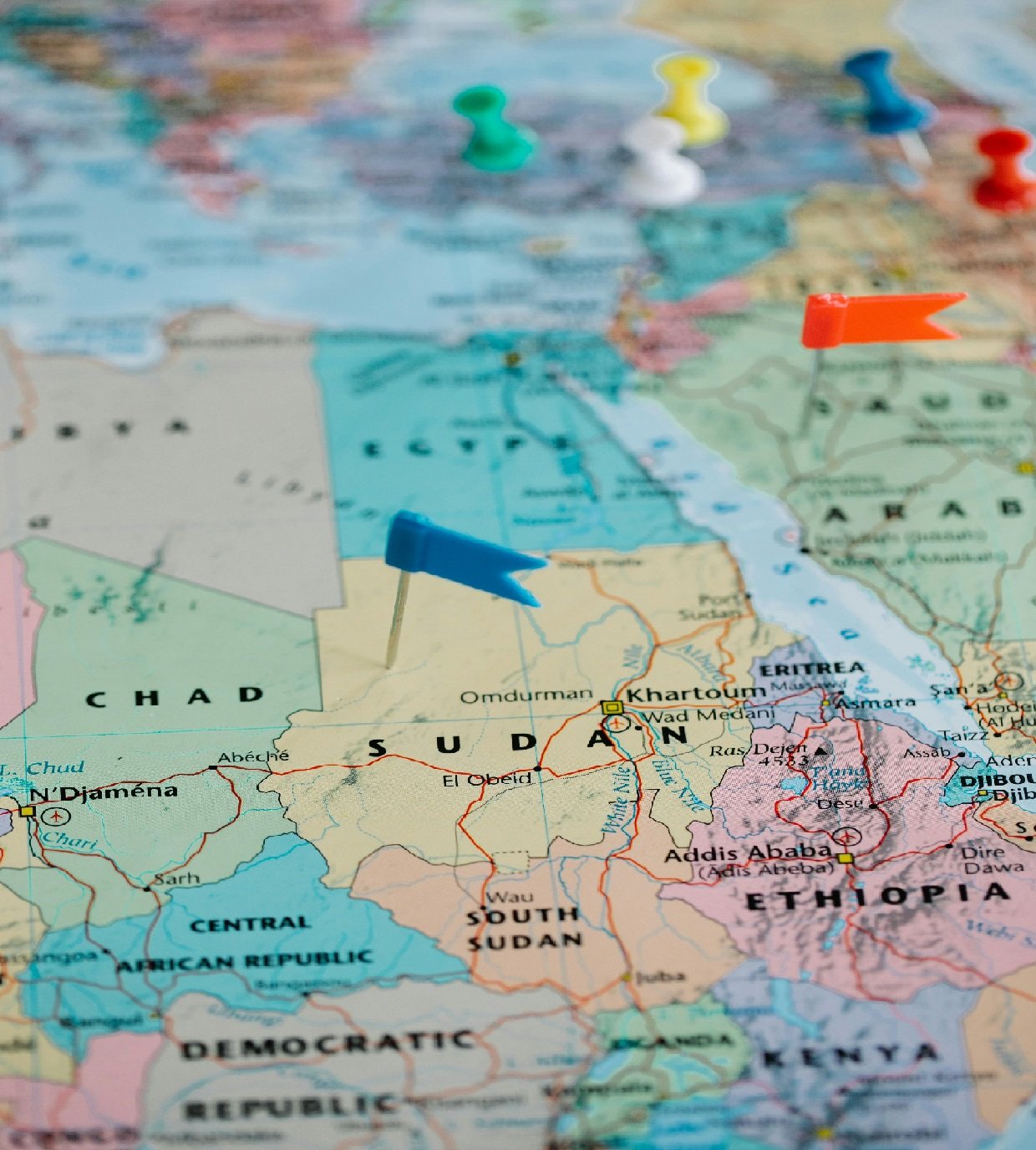
One of the key features of Ethiopian diaspora communities is their presence in major cities around the globe. Cities like Washington D.C., London, Toronto, and Stockholm have significant Ethiopian populations, which have established their own cultural institutions, businesses, and social networks. mapping out these communities in urban areas can help highlight the density and interconnectedness of Ethiopian expatriates in these cosmopolitan centers. In addition to urban areas, Ethiopian diaspora communities can also be found in more rural and remote locations. Whether it's in small towns in the United States, rural villages in Europe, or even in less developed countries in Africa, Ethiopians have dispersed far and wide, bringing their culture and traditions with them. Mapping out these dispersed communities can shed light on the diversity and resilience of the Ethiopian diaspora. Mapping Ethiopian diaspora communities can also serve practical purposes. For instance, it can help community leaders and policymakers better understand the needs and challenges faced by Ethiopian expatriates in different regions. This information can be used to tailor support services, cultural events, and economic opportunities to better serve the diaspora community. Furthermore, mapping out Ethiopian diaspora communities can facilitate connections and collaborations between different groups. By visualizing the geographical locations of Ethiopian expatriates, it becomes easier to identify shared interests, potential partnerships, and opportunities for mutual support. This can help strengthen the bonds within the diaspora community and foster a sense of unity and solidarity across borders. In conclusion, mapping Ethiopian diaspora communities is a valuable tool for understanding the global dispersion of Ethiopians and the impact they have on diverse societies. By visualizing the geographic distribution of these communities, we can gain insights into their size, diversity, and contributions to the countries they now call home. This can help foster stronger connections within the diaspora and promote collaboration and cooperation across borders. Want to know more? Don't forget to read: https://www.tsonga.org For a different angle, consider what the following has to say. https://www.slovenci.net For the latest research, visit https://www.towarsaw.com To gain a holistic understanding, refer to https://www.tokazakhstan.com To find answers, navigate to https://www.tocopenhagen.com Also Check the following website https://www.tohelsinki.com Dropy by for a visit at https://www.tonigeria.com For more information: https://www.tocongo.com For a detailed analysis, explore: https://www.cruzar.org Looking for more information? Check out https://www.abandonar.org Get a well-rounded perspective with https://www.culturelle.org You can find more about this subject in https://www.savanne.org also click the following link for more https://www.departements.org for more https://www.regionales.net Discover more about this topic through https://www.tosudan.com To gain a holistic understanding, refer to https://www.johannesburginfo.com Seeking answers? You might find them in https://www.libyainfo.com If you are enthusiast, check the following link https://www.nacionalismo.com
Leave a Comment:
SEARCH
Recent News
- Zurich, Switzerland is a vibrant city known for its rich cultural scene and diverse music offerings. One unique aspect of Zurich's music scene is the presence of Sudanese music, which has found a home in the city's melting pot of cultures.
- Zurich, Switzerland is a vibrant city known for its picturesque landscapes, rich history, and diverse cultural scene. One fascinating aspect of Zurich's cultural tapestry is the influence of Sudanese culture in the city.
- Zurich, Switzerland is known for its multicultural atmosphere and diverse culinary scene. One of the lesser-known gems of Zurich's food scene is Sudanese cuisine. Sudanese cuisine is a reflection of the country's diverse cultural influences, blending Arabic, African, and Mediterranean flavors to create a unique and delicious culinary experience.
- Zurich, Switzerland, is a vibrant city known for its scenic beauty, rich history, and thriving business environment. One interesting aspect of Zurich's business landscape is the presence of Sudanese entrepreneurs who have made their mark in various industries in the city.
- Visiting Zurich, Switzerland, can be an enriching experience for music lovers from all corners of the world. While the city may not be the first place that comes to mind when thinking about South African music, Zurich's diverse music scene offers a glimpse into the vibrant sounds of this African nation.
- Zurich, Switzerland is a city known for its vibrant culture, stunning landscapes, and welcoming atmosphere. Over the years, Zurich has become a melting pot of diversity, attracting people from all corners of the world. One noticeable community that has found its home in Zurich is the Ethiopian population.
- Zurich, Switzerland is not only known for its picturesque landscapes and thriving economy, but also for its vibrant and growing Ethiopian diaspora community. The Ethiopian diaspora in Zurich is one of the largest in Switzerland, with a significant number of Ethiopians calling the city their home.
- Zurich, Switzerland: A Culinary Journey into Ethiopian Cuisine
READ MORE
9 months ago Category :

Zurich, Switzerland is a vibrant city known for its rich cultural scene and diverse music offerings. One unique aspect of Zurich's music scene is the presence of Sudanese music, which has found a home in the city's melting pot of cultures.
Read More →9 months ago Category :

Zurich, Switzerland is a vibrant city known for its picturesque landscapes, rich history, and diverse cultural scene. One fascinating aspect of Zurich's cultural tapestry is the influence of Sudanese culture in the city.
Read More →9 months ago Category :

Zurich, Switzerland is known for its multicultural atmosphere and diverse culinary scene. One of the lesser-known gems of Zurich's food scene is Sudanese cuisine. Sudanese cuisine is a reflection of the country's diverse cultural influences, blending Arabic, African, and Mediterranean flavors to create a unique and delicious culinary experience.
Read More →9 months ago Category :
