Ethiopian Immigration: Mapping the Diaspora
Category : | Sub Category : Posted on 2025-11-03 22:25:23
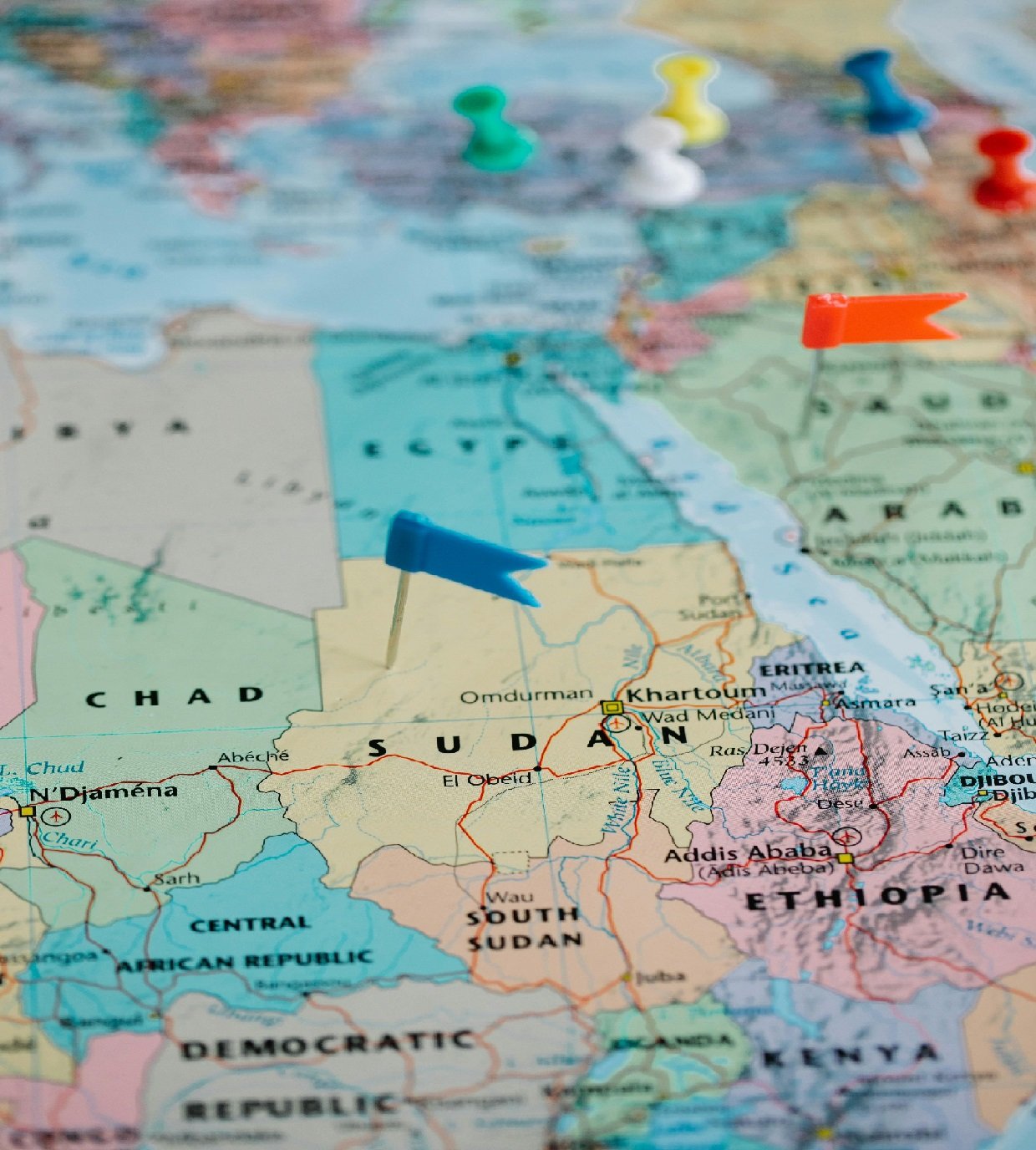
In recent years, Ethiopian immigration has garnered attention as a significant global phenomenon, with millions of Ethiopians migrating to different parts of the world in search of better opportunities and a brighter future. The Ethiopian diaspora is a diverse and vibrant community that is spread out across continents, contributing to various facets of society and culture. One way to understand the scope and dynamics of Ethiopian immigration is through mapping. Mapping Ethiopian immigration patterns can provide valuable insights into the destinations, demographics, and integration experiences of Ethiopian migrants. By visualizing these trends on a map, researchers, policymakers, and communities can better comprehend the complexities of Ethiopian migration and its impact on host countries as well as homeland development. Ethiopian immigration has historically been driven by factors such as political instability, economic challenges, and social aspirations. The civil wars, conflicts, and human rights abuses in Ethiopia have compelled many Ethiopians to seek refuge and resettlement in safer and more stable countries. Additionally, economic factors such as unemployment, poverty, and lack of opportunities have motivated Ethiopians to migrate in search of better livelihoods and prospects for themselves and their families. Mapping Ethiopian immigration can reveal the diversity of destinations chosen by Ethiopian migrants. While traditional host countries like the United States, Canada, and European nations have long been popular destinations, Ethiopian migrants have also been increasingly moving to emerging economies in the Middle East and Asia. Mapping these diverse destinations can shed light on the global reach of Ethiopian migration networks and the diverse experiences of Ethiopian migrants in different parts of the world. Furthermore, mapping Ethiopian immigration can highlight the demographic characteristics of Ethiopian migrants, such as age, gender, education levels, and employment sectors. Understanding the demographic profile of Ethiopian migrants is crucial for designing effective integration programs, providing social services, and promoting their active participation in host societies. By mapping these demographic trends, policymakers and service providers can tailor their strategies to meet the specific needs of Ethiopian migrants and enhance their socio-economic outcomes. In conclusion, mapping Ethiopian immigration offers a valuable tool for understanding the complex dynamics of Ethiopian migration and its implications for both sending and receiving countries. By visualizing migration patterns, destinations, and demographics, mapping can inform policy decisions, support community initiatives, and foster dialogue among diverse stakeholders involved in the integration and well-being of Ethiopian migrants. As Ethiopian migration continues to evolve in response to changing global dynamics, mapping will remain an essential tool for capturing the rich tapestry of the Ethiopian diaspora and enhancing our collective knowledge of this global phenomenon. For an in-depth analysis, I recommend reading https://www.tokazakhstan.com also click the following link for more https://www.tocopenhagen.com Get more at https://www.tohelsinki.com For a different angle, consider what the following has to say. https://www.tonigeria.com You can find more about this subject in https://www.tocongo.com To get a holistic view, consider https://www.cruzar.org Want to gain insights? Start with https://www.abandonar.org Seeking answers? You might find them in https://www.culturelle.org For a different take on this issue, see https://www.savanne.org Find expert opinions in https://www.departements.org For a broader exploration, take a look at https://www.regionales.net Looking for expert opinions? Find them in https://www.tosudan.com Get a well-rounded perspective with https://www.johannesburginfo.com To find answers, navigate to https://www.libyainfo.com Curious to learn more? Click on https://www.nacionalismo.com
Leave a Comment:
SEARCH
Recent News
- Zurich, Switzerland is a vibrant city known for its rich cultural scene and diverse music offerings. One unique aspect of Zurich's music scene is the presence of Sudanese music, which has found a home in the city's melting pot of cultures.
- Zurich, Switzerland is a vibrant city known for its picturesque landscapes, rich history, and diverse cultural scene. One fascinating aspect of Zurich's cultural tapestry is the influence of Sudanese culture in the city.
- Zurich, Switzerland is known for its multicultural atmosphere and diverse culinary scene. One of the lesser-known gems of Zurich's food scene is Sudanese cuisine. Sudanese cuisine is a reflection of the country's diverse cultural influences, blending Arabic, African, and Mediterranean flavors to create a unique and delicious culinary experience.
- Zurich, Switzerland, is a vibrant city known for its scenic beauty, rich history, and thriving business environment. One interesting aspect of Zurich's business landscape is the presence of Sudanese entrepreneurs who have made their mark in various industries in the city.
- Visiting Zurich, Switzerland, can be an enriching experience for music lovers from all corners of the world. While the city may not be the first place that comes to mind when thinking about South African music, Zurich's diverse music scene offers a glimpse into the vibrant sounds of this African nation.
- Zurich, Switzerland is a city known for its vibrant culture, stunning landscapes, and welcoming atmosphere. Over the years, Zurich has become a melting pot of diversity, attracting people from all corners of the world. One noticeable community that has found its home in Zurich is the Ethiopian population.
- Zurich, Switzerland is not only known for its picturesque landscapes and thriving economy, but also for its vibrant and growing Ethiopian diaspora community. The Ethiopian diaspora in Zurich is one of the largest in Switzerland, with a significant number of Ethiopians calling the city their home.
- Zurich, Switzerland: A Culinary Journey into Ethiopian Cuisine
READ MORE
9 months ago Category :

Zurich, Switzerland is a vibrant city known for its rich cultural scene and diverse music offerings. One unique aspect of Zurich's music scene is the presence of Sudanese music, which has found a home in the city's melting pot of cultures.
Read More →9 months ago Category :

Zurich, Switzerland is a vibrant city known for its picturesque landscapes, rich history, and diverse cultural scene. One fascinating aspect of Zurich's cultural tapestry is the influence of Sudanese culture in the city.
Read More →9 months ago Category :

Zurich, Switzerland is known for its multicultural atmosphere and diverse culinary scene. One of the lesser-known gems of Zurich's food scene is Sudanese cuisine. Sudanese cuisine is a reflection of the country's diverse cultural influences, blending Arabic, African, and Mediterranean flavors to create a unique and delicious culinary experience.
Read More →9 months ago Category :
